30/09/2025
Easy
€66.80
20 minutes

Raysin and Jesmonite are two easy-to-use molding materials. Raysin Powder is a non-toxic powder that mixes with water to produce creations that look and feel like porcelain. It is also known as ceramic powder. It is a smooth, easy-to-work plaster. Jesmonite, on the other hand, is a Jasper powder - also similar to plaster - to which an acrylic resin is added.
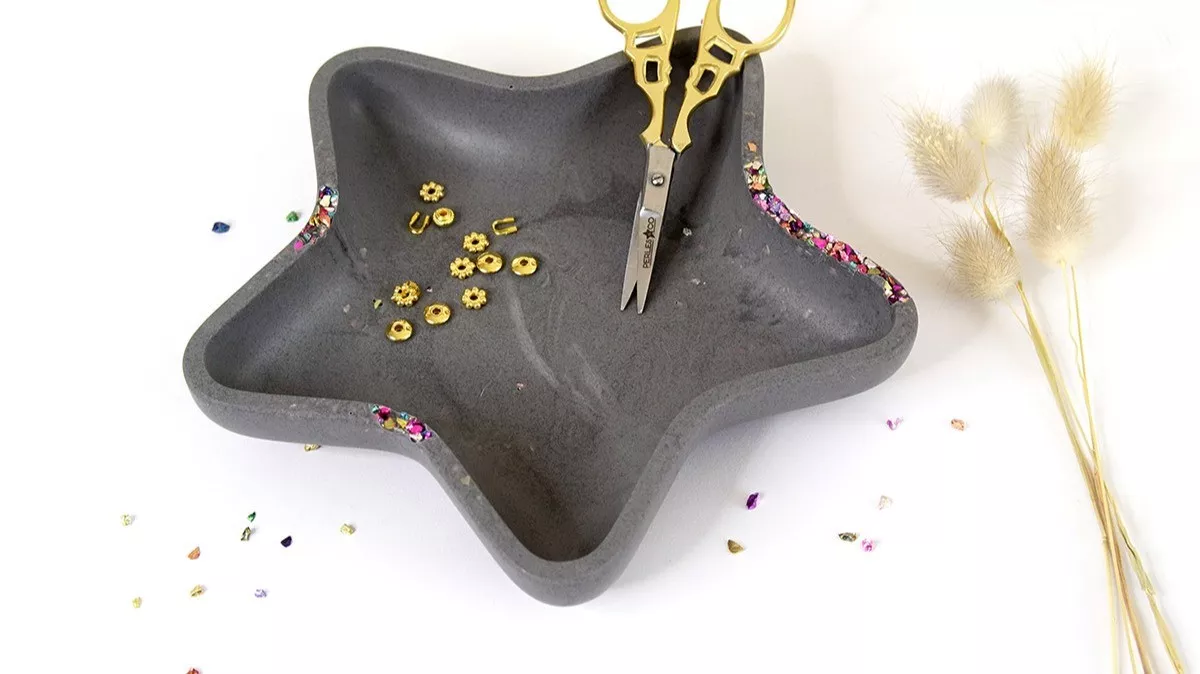
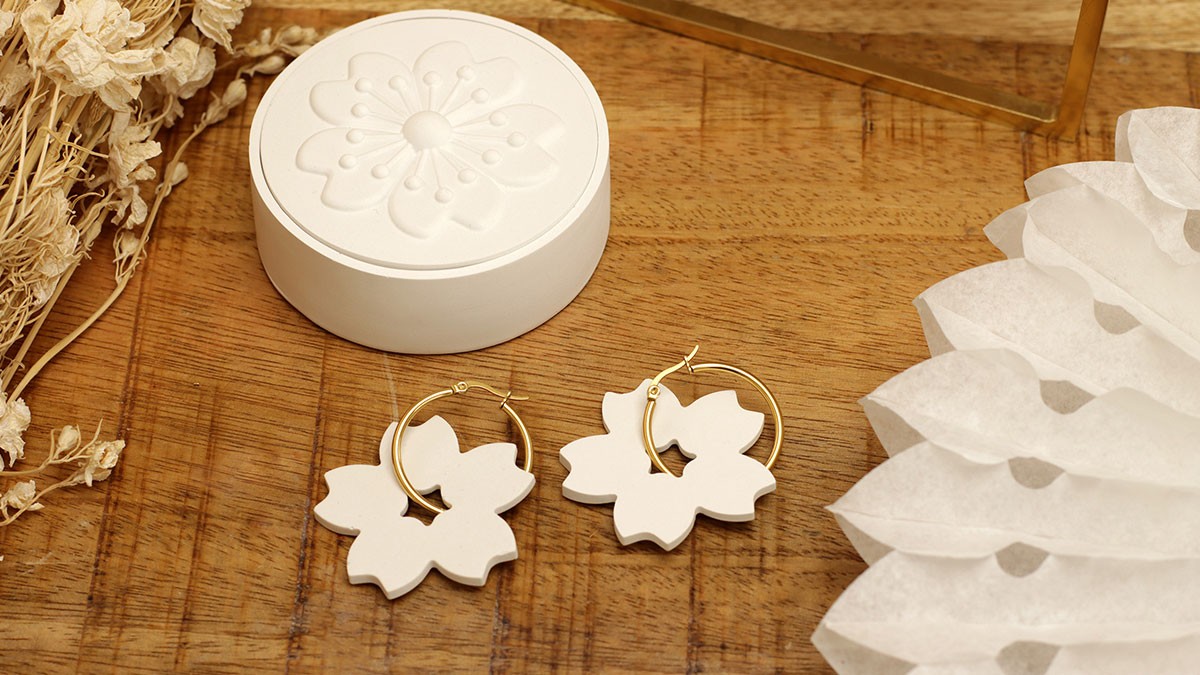
These materials can be used to create decorative elements such as dishes or soap dishes, but can also be used to create jewellery. Choose a silicone mold, prepare your mixture and pour it in. Tap the Raysin or Jesmonite to release the bubbles. Wait a few hours and remove your object or pendant from the mold. Sand the edges immediately. Wait a few days for the mixture to dry before applying Jesmonite varnish or filler.
See moreWhat are the differences between Raysin Powder and Jesmonite?