Which wire to make jewelry?
What is wire used for making jewelry?
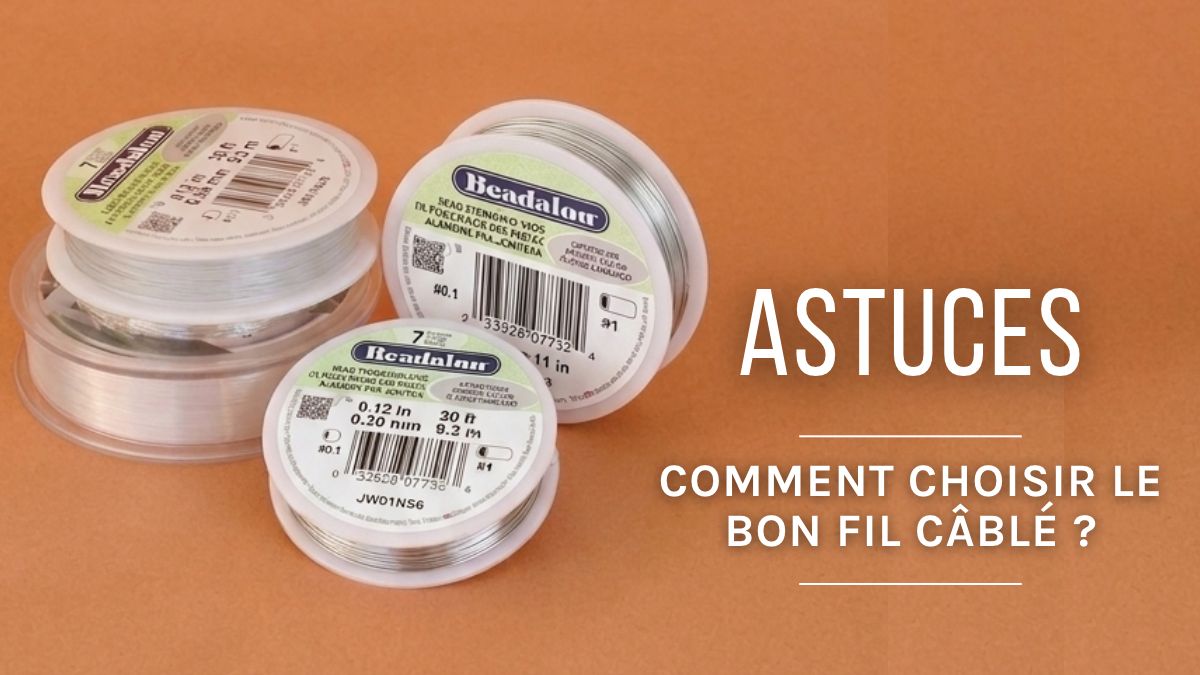
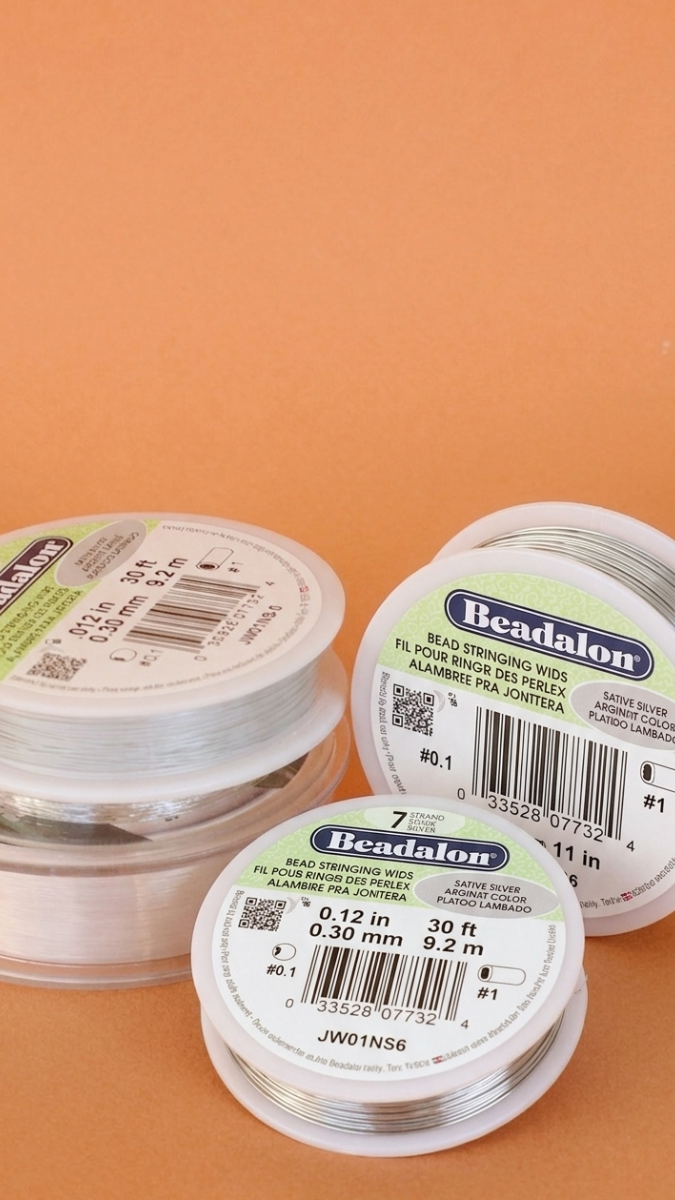
Cable wire is made up of several small strands of stainless steel, braided together and covered with a nylon sheath. It is the strongest material available for jewelry making. It can support very heavy beads depending on the wire’s diameter and the number of strands.
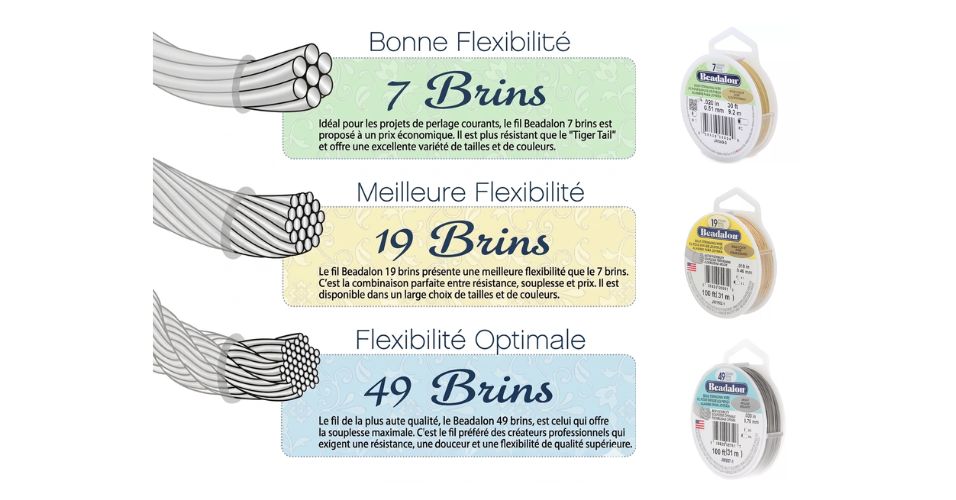
The more strands there are, the more flexible and durable the cable wire is. For example, 49-strand cable wire is more flexible than 7-strand cable wire. The thinner it is, the more flexible it will appear as well.
However, the more strands a cable wire has, the more expensive it is for the same diameter and length. Since it is made of stainless steel, this wire does not rust.
How do you choose the right stranded wire?
There are several factors to consider when choosing a cable wire for jewelry. Some very specific pieces of jewelry require rigid cable wires to create volume in the design. However, most of the time, you’ll need a flexible yet strong wire. You should also note the diameter of the holes in the beads you’ll be using and the strength required to ensure your piece holds together properly.
A. Wire Diameter
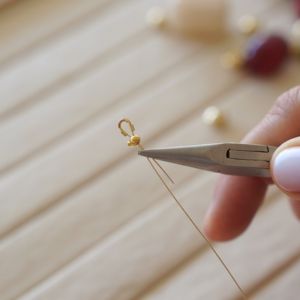
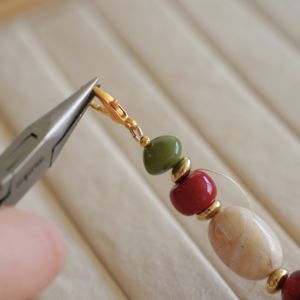
Above is an example of how to finish a piece of jewelry made with cable wire. You do not tie a knot in the cable wire to finish your piece. You’ll need to use crimp beads, crimp bead caps (optional), and cable wire end caps (optional). We invite you to learn how to do this in this article: What Are Cable Wire End Caps?
Check which bead has the smallest hole diameter. Your wire cannot exceed this diameter. To create a neat finish, you’ll need to be able to thread the cable wire through the end beads a second time. The hole in the beads near the end of the piece must be twice as large as your wire.
Cable wire comes in a wide variety of diameters, ranging from 0.25 mm—ideal for seed beads—to 0.91 mm, which is better suited for glass beads. The most commonly used cable wires have diameters ranging from 0.36 mm to 0.46 mm.
Of course, the thicker your wire, the more strands it will have, and the stronger it will be—provided the jewelry clasp is secured properly. Therefore, you may sometimes need to make compromises or switch out the beads near the clasp so they have larger holes.
B. Wire Flexibility
You should also consider how flexible you want your design to be. Unless your design requires the wire to hang freely—such as in wedding necklaces made of multiple hanging strands—or the wire used is very fine (less than 0.38 mm), there’s little point in choosing 7-strand wire.
Preferably choose 49-strand cable wire when your design requires very high flexibility and good strength. Opt for 19-strand cable wire when your design requires good flexibility, and 7-strand cable wire when your design requires moderate flexibility.
C. Wire Strength
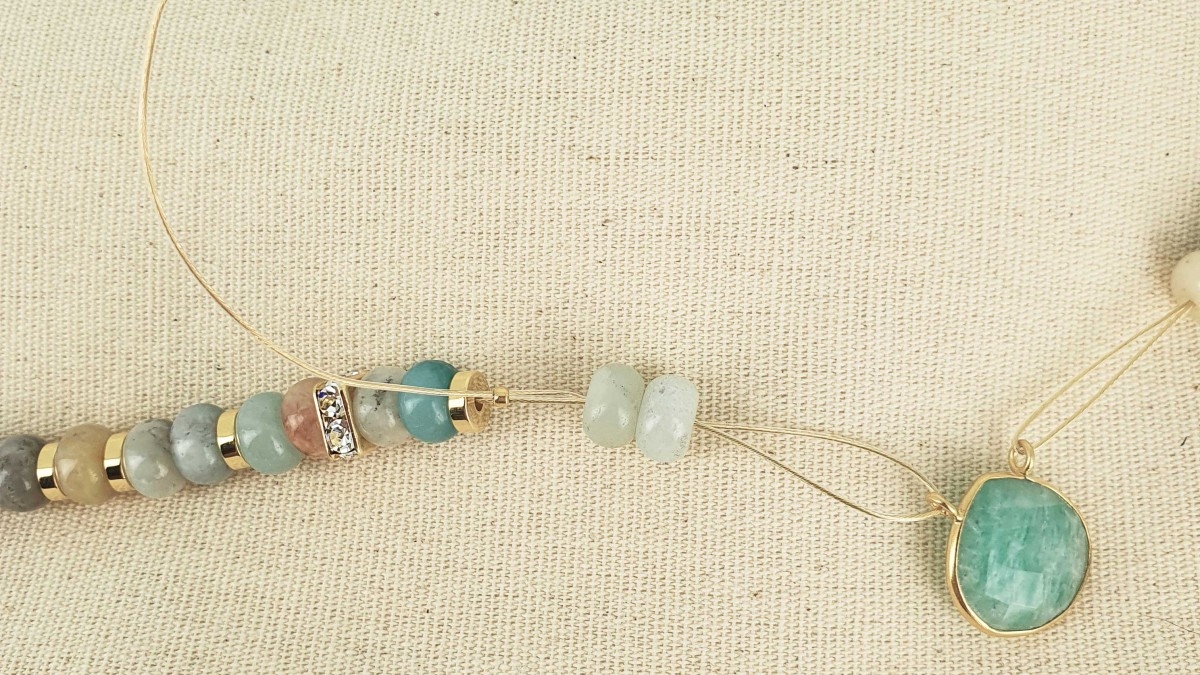
Finally, the strength of the assembly will vary depending on the weight of your piece, how often you plan to wear it, and the quality of the clasp used to secure the jewelry.
Very often, when a piece of jewelry breaks, the break occurs at the clasp or in a spot that has been weakened by a kink.
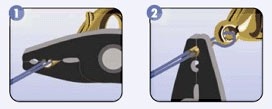
The durability of your creation will depend on using the correct technique for crimping the crimp beads. In fact, improper crimping can weaken the wire, causing it to break at the crimp bead. Flat-nose pliers will crush the strands and weaken the wire. Many people still use this method rather than the one described below, as it is much easier to perform.
But if your necklaces and bracelets break regularly and quickly, you should first try changing how you finish your jewelry. We recommend using pliers specifically designed for crimping beads. These pliers are available for different sizes of crimp beads. Follow the steps illustrated below or our technical guide to learn how to create beautiful finishes with crimp beads.
Choose crimp beads with a hole that is slightly larger than the diameter of your wire x2:
- If your wire is 0.38 mm, 0.38 × 2 = 0.76 mm. So use a crimp bead with a 1 mm hole.
- If your wire is 0.61 mm, 0.61 x 2 = 1.22 mm. In that case, use a crimp bead with a 1.5 mm hole.
D. Cable Wire Brands
There are various brands of wire. The best-known are Beadalon wires. There’s also the Griffin brand.
Recently, we’ve introduced a new line of wire from the Soft Flex brand. This brand offers very high quality, but most importantly, it designs its wires for specific uses, unlike Beadalon and Griffin, which produce wires for more general purposes.
On each product page, you’ll find the intended use for the wire. For example, for seed beads and freshwater pearls, for heavy glass beads, and for certain other specific techniques…
In summary:
| Number of strands | Flexibility | Recommended use |
| 7 | Good | Beginners / Simple projects |
| 19 | Best | Good value for the price / Regular use |
| 49 | Excellent | Professionals / High-end jewelry |