Average Grades
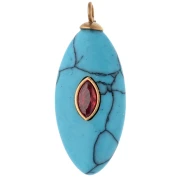


On peut aussi associer l'apatite avec des topazes bleus svp?
1 Answer
Show answers

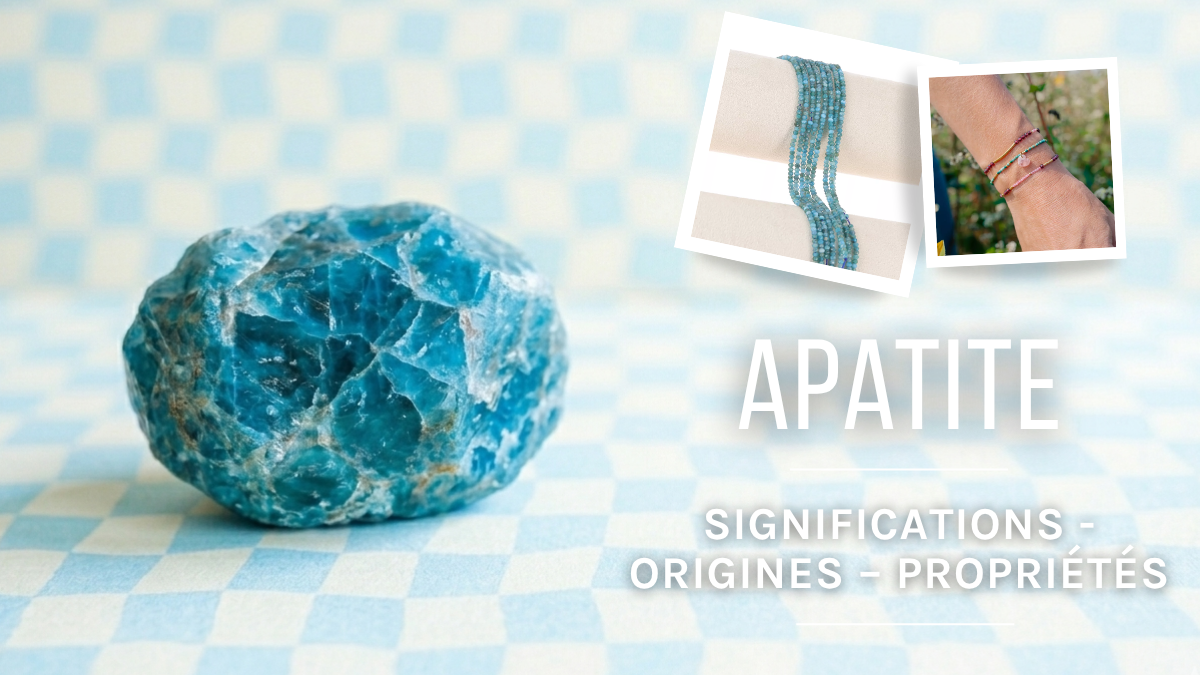
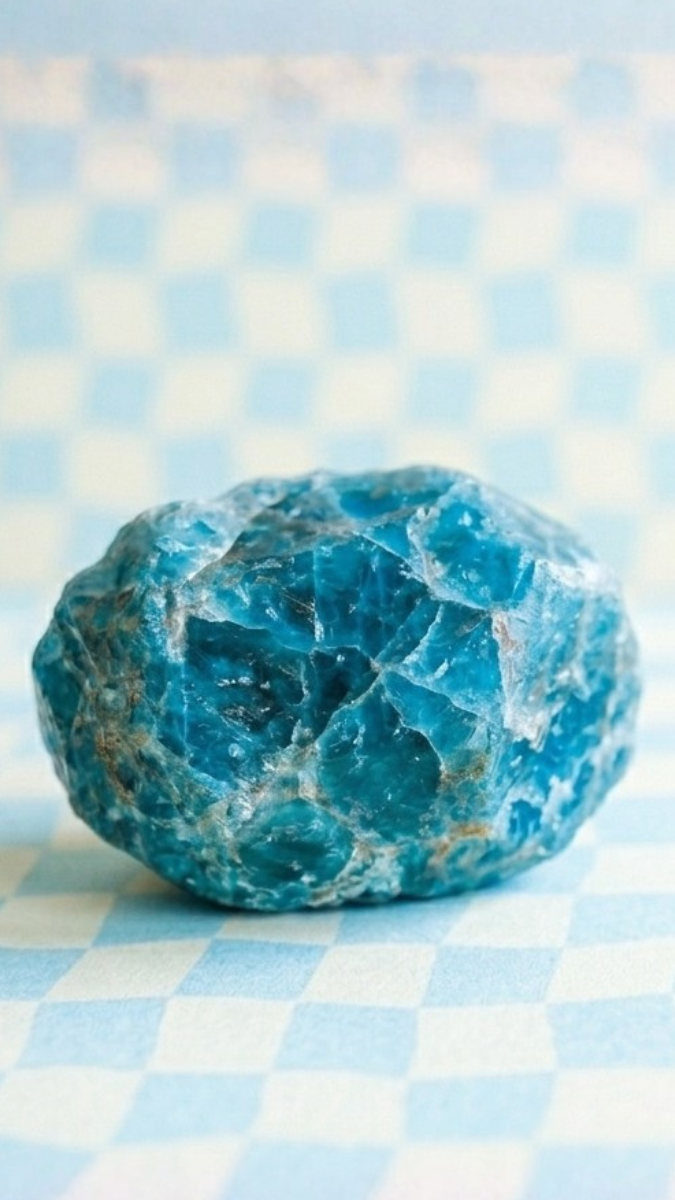
Apatite, a gemstone with vibrant colors ranging from blue to green, stands out for its versatility in jewelry and DIY. Its main deposits are in Brazil, Burma, the United States, India and Madagascar. For unique creations, blue apatite is particularly sought-after for its beauty and communication symbolism.
Apatite is a fascinating and versatile gemstone, highly prized in crystal healing, as well as in the worlds of jewelry and DIY, particularly for its vibrant color range and unique properties. With its natural beauty and inspiring color palette, it’s a wonderful choice for creating unique, personalized jewelry, such as necklaces, bracelets, or earrings. Apatite offers an endless source of inspiration.
Shop for apatite jewelry components and beads to craft unique and personalized natural stone jewelry. Get inspired by our tutorials!
Initially, this natural stone (formerly known asasemipreciousstone) was named“phosphoric stone” by the Spanish naturalist Pedro Francisco Davila. It was the German geologist Abraham Gottlob Werner who gave it its definitive name a few years later. He chose the name “apatite,” which comes from the Greek “apatos,” meaning “deceptive,” because of this stone’s ability to mimic other gemstones, such as olivines, topazes, or beryls.
Apatite is a gemstone with no known history or legends, as it has often been mistaken for other stones.
Scientific studies have revealed that it is present in the human body (in the crystalline structure of tooth enamel), as well as in the bodies of many animals and fish. It is even found in the skeletons of ancient animals such as dinosaurs.
Traces of apatite have also been found in lunar rocks that American astronomers brought back during various space missions of the Apollo program.


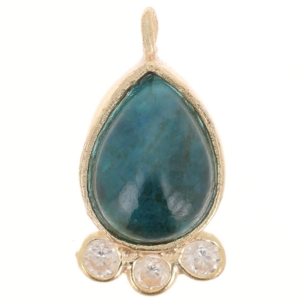
Apatite is transparent to translucent. Its color ranges from green to brown, including shades of blue, purple, yellow, and pink. Each color has its own symbolic meaning:
The colors of apatite vary depending on the stone’s chemical composition.
Apatite belongs to the hexagonal phosphate family. It is a calcium phosphate with a hardness ranging from 5 to 5.5 onthe Mohs scale, making it a fairly fragile stone that must be handled with care (it can be easily scratched). Its density generally ranges from 3.1 to 3.2 g/cm³.
The main deposits are found in Brazil, Burma, the United States, India, and Madagascar.
In crystal healing, apatite is said to be a stone of communication with positive energy. It is believed to enhance self-expression, ward off negative energies, and promote open-mindedness and creativity.
Among the properties attributed to this gemstone, some popular beliefs suggest a link between it and weight loss. However, there is no proven scientific evidence to support this.
Which chakra is associated with apatite?Blue apatite is associated with the throat chakra, promoting communication andself-expression.Green apatite is linked to the heart chakra, encouraging love and healing.
It is the birthstone for those born under the astrological signs of Sagittarius, Capricorn, Libra, and Gemini.
Warning: Our gemstones are not sold for the purpose of crystal healing. The effects of these stones have not been scientifically proven. Natural stones are in no way a substitute for medical expertise or medical treatment.
As with all natural stones used in crystal healing, it is recommended to regularly cleanse and recharge apatite so that it can restore its full benefits.
To clean and purify it, there are two options: rinse it with clean water or use smoke purification by surrounding your gemstone with sage smoke or incense smoke. If you choose the first option, be sure to dry it thoroughly with a soft cloth afterward.
To recharge it, expose it to sunlight for a few hours or to moonlight all night long. If you want to enhance this effect, you can place it on a cluster of quartz.
Its blue hue pairs perfectly with the warm tones of Gold Filled, gold-plated, or Rose Gold. For those who prefer silver jewelry,925 Sterling Silver andstainless steel are ideal choices for creating pieces with a cool, understated elegance.
Apatite pairs very well with blue stones, such as turquoise, chrysocolla, or lapis lazuli. It can also be combined with sodalite or labradorite.
Which stones should not be paired with apatite? Also avoid pairing it with stones that have very intense energies, such as obsidian.

Credits
Perles & Co, Internet & E-Commerce company [21/02/2026] Any reproduction, representation, adaptation, in any form whatsoever, even partial, is prohibited, except for reproduction for private use not intended for collective use, representation in the family circle (art. L 122-5 CPI) and online publishing on condition that the source is mentioned and a link is included to the corresponding page of our site www.perlesandco.com.