Average Grades
How to choose a thick milled wool type for an ivy cap
1 Answer
Show answers

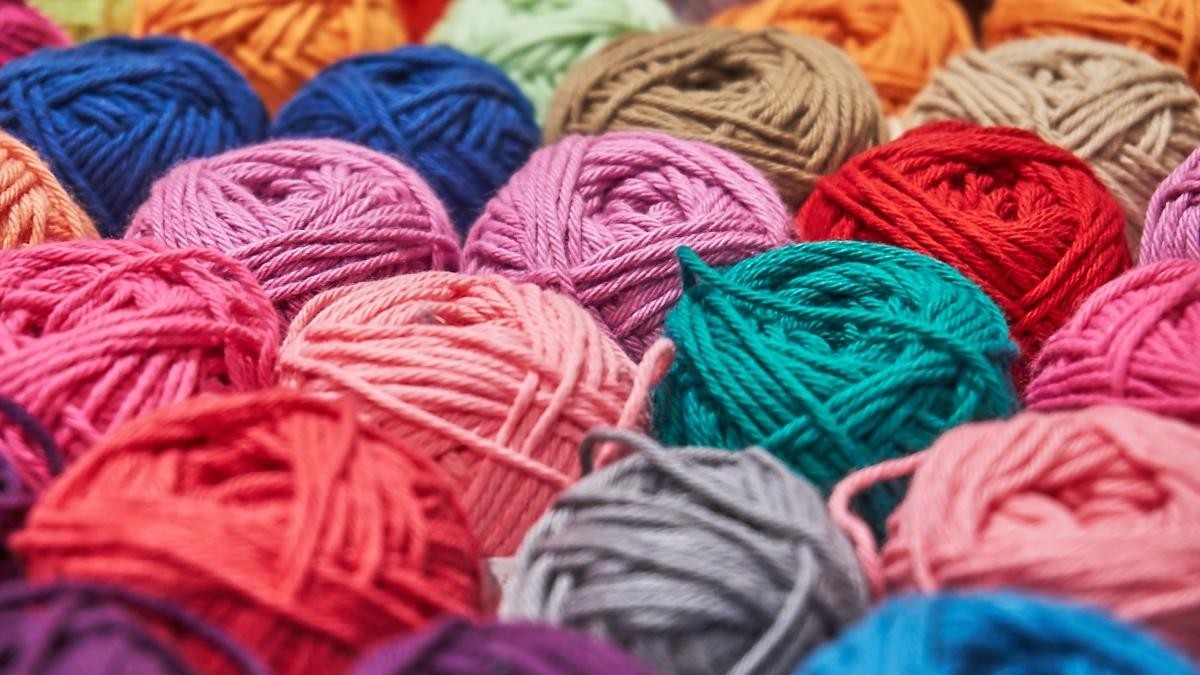
Choosing the ideal ball of wool for your DIY projects can seem complex with the multitude of types and textures available. Merino wool stands out for its softness and warmth, while Acrylic wool is perfect for smaller budgets and baby creations. Each type of wool offers unique characteristics, allowing you to select the one that best suits your creative needs.
When you're a beginner and want to start a DIY wool project, it's sometimes hard to know how to choose the perfect ball of wool from all the different types out there.
Which wool is the warmest? Which wool is the least itchy?What type of wool for baby?What is the softest wool? So many questions that cross our minds.
There is also an infinite number of colors, from the lightest to the darkest, through solid or multicolored shades. And also a wide variety of textures: coarse yarns, fine yarns, fancy meché effect yarns, smooth yarns, glittery yarns, curly yarns, fluffy yarns...
Moreover, wools are sometimes mixed together to highlight their advantages and reduce their disadvantages. For example, we add a little elastane to bring flexibility, silk for shine, nylon to give resistance or acrylic for a little softness.
How to find your way among all these varieties of wools? Here's a handy guide to the different types of wool to knit!
The safest thing to do is to trust the pattern you have chosen and to look at the labels on your balls of wool. The exact composition, the weight, the length, the diameter of the needles to knit, the recommended maintenance...
Discover our large selection of wool and yarn for knitting or crocheting, and all the necessary materials.
Need creative ideas? Don't hesitate to consult our wool creation tutorials, they are a source of inspiration.
What is merino wool? Merino wool is a natural animal textile fiber from the merino sheep, a breed of sheep native to Spain, but mostly raised in Australia, New Zealand or South Africa. It is the most commonly used wool, it offers a very good quality/price ratio.
Merino wool is much finer than the wool of other sheep. It is often mixed with silk or cashmere.
It is a very pleasant yarn to knit, ideal for beginners.
It has many qualities: warm, soft, resistant, antibacterial, itch-free, fine, thermoregulating, light, versatile, second skin effect... However, this sheep wool can sometimes relax easily.
What to do with merino wool balls ? Baby and children clothes, shawls, head-bands, scarves, snoods, hats, sweaters, dresses, vests, sportswear, twin-sets, jackets...
How to wash merino wool? It is advisable to wash at 30°C, wool program.
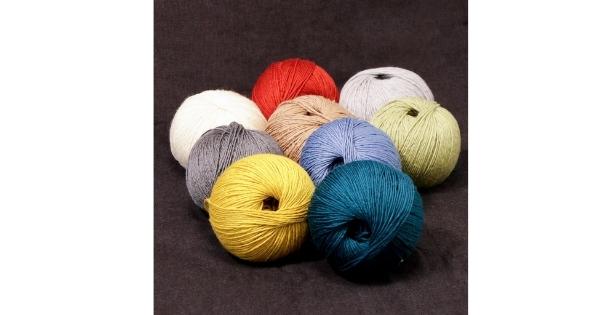
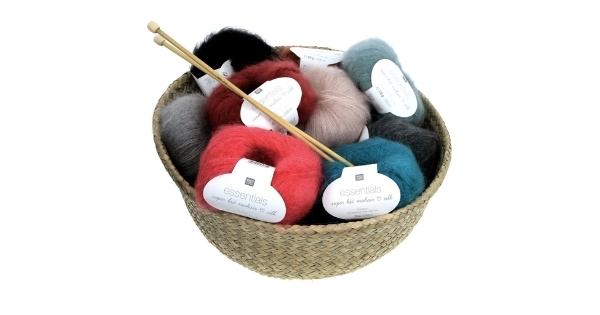
What is mohair wool? It is a natural textile animal fiber from the long hair of the angora goat (not to be confused with the angora rabbit which produces angora wool). There are also kid mohair and super kid mohair, which come from the hair of young angora goats. They are extremely fine and ultra soft.
Mohair wool keeps warm in winter and cool in summer, plump, light, shiny like silk, does not deform or felt, easy to dye. It is also endowed with an excellent holding and a very good insulating power... But it can be criticized for lacking elasticity, for scratching when in contact with sensitive skin and for linting.
The mohair wool to knit is often associated with alpaca wool, nylon or silk.
What to do with balls of mohair wool: sweaters, shawls, socks, a cardigan, gloves, snoods.
How to wash mohair? It is recommended to wash mohair by hand or at 30° C, wool program.
What is alpaca wool? It is a natural animal textile fiber. This wool comes from the alpaca, a cousin of the llama, native to South America. There is also the baby alpaca, even softer.
It has many qualities: resistant, soft, warm, naturally shiny, delicate to the touch, durable over time, fine, thermoregulatory ... But be careful with your alpaca sweaters, because moths easily attack this wool.
Its price remains high compared to other wools.
Alpaca wool can be mixed with mohair, merino wool, silk or cotton.
What to do with balls of alpaca wool?Sweaters, scarves, dresses, headbands, knitwear, snoods, mittens, suits, slippers, etc. You can also use alpaca wool to decorate your home, for example by weaving it into walls.
To maintain your alpaca creations, it is advisable to wash by hand.
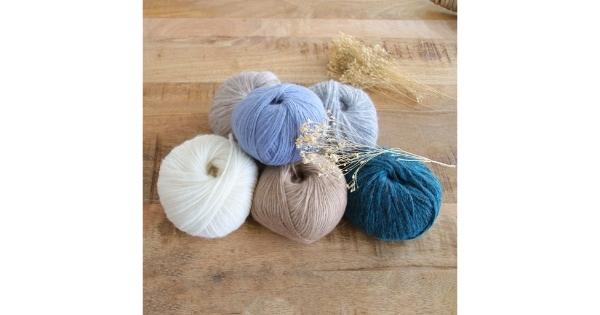
What is acrylic wool? It is a synthetic textile fiber. Soft, insulating, easy to maintain, easy to knit, it does not sting, does not pilling, dries quickly and remains comfortable.
Non-allergic, it can totally replace sheep's wool. That's why it is a recommended wool if you want to knit for baby.
It is the ideal wool for small budgets, because it is not very expensive. Moreover, it is very resistant. Nevertheless, it is not very breathable and it does not keep warm. It will be used for mid-season clothing.
What to knit with acrylic wool? Easy to knit, you will be able to imagine sweaters, cardigans, scarves, sweater dresses, mittens, plaids, hats, booties and clothes for babies and children especially when it is special layette
Washing at 30 °C
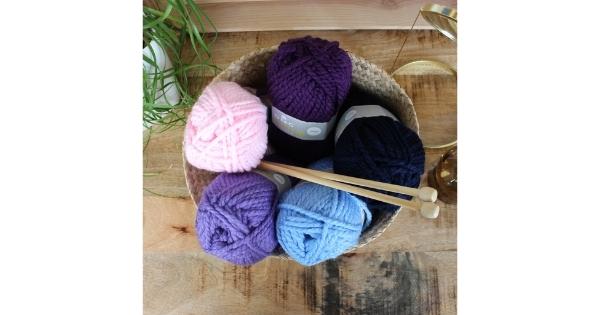
Cotton yarn is made from anatural textile fiber derived from cotton flowers. It is a soft, light fiber, pleasant to wear, anti-allergic, pleasant to work with and easy to maintain. It has a strong absorbent and insulating power, and a good resistance to washing.
But, like all cotton textiles, cotton yarn creations tend to wrinkle easily and have little elasticity.
What to do with cotton knitting yarn? A baby blanket, baby booties, dresses, amigurumi, a pompom, a hat, a sweater, a cardigan... This airy wool is ideal for summer or spring clothing.
To care for cotton yarn, it is recommended to wash at 30°C.
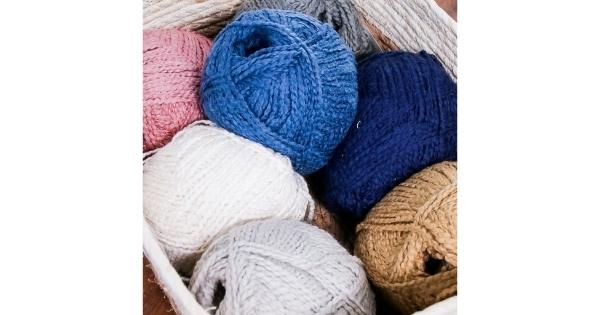
What is Trapilho? It is a 100% recycled textile fiber and an eco-responsible yarn, as it is made from surplus fabrics (often cotton jersey). Ecological, easy to knit or crochet, it is soft to the touch, resistant and malleable.
Because it is made from recycled fabrics, this rolled yarn is irregular and there may be slight color variations on a single ball.
How to use Trapilho? With it, make a sweater, a basket, jewelry, a head band, a net bag, amigurumi, tawashi reusable sponges...
How to wash trapilho ? It is recommended to hand wash or machine wash as for t-shirts or jersey clothes.
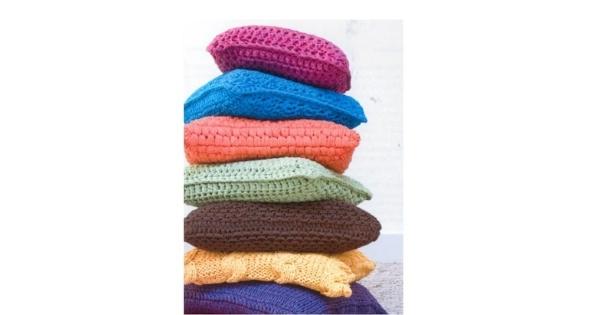
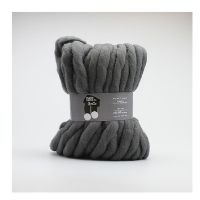
XXL wool can be made of natural animal fiber (merino, alpaca...), natural vegetable fiber or synthetic fiber. It is recognized by its lightness and softness, but also by its size, perfect for knitting with very large needles, or with the arms.
Did you know? Chunky means "big" in French. On balls of wool, it refers to the thickness of the wool.
What to do with chunky knitting wool? Over-size creations of course! Like a plaid, a rug, a cushion, a blanket, a cat or rabbit basket, a wall hanging...
To maintain the XXL wick wool, it is advised to wash it by hand.
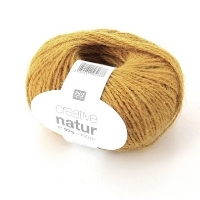
The hemp yarn to knit comes from a natural vegetable textile fiber from a plant called hemp. Not widely available, hemp is a good alternative to cotton. Requiring little water, the cultivation of hemp is more ecological than cotton.
Easy to work with, knitting hemp is soft, flexible, resistant and thermoregulatory. So you can wear your knitting creations in summer as well as in winter. On the other hand, hemp is not very elastic.
Vegetable materials are becoming more and more popular: natural or dyed, hemp yarn is always a great discovery for knitters who take the plunge.
What to do with hemp? Sweaters, scarves, hats, but also home decorations such as planters...
To maintain, prefer a hand wash. From washing to washing, it will be softer and softer.
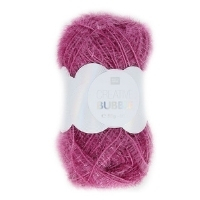
Polyester wool is made from a synthetic fiber. Easy to knit, it is easy to care for and dries quickly. However, it is not very breathable and does not keep warm.
What to do with polyester wool: make reusable tawashi sponges or caps.
For the maintenance of polyester wool creations, it is recommended to wash at 60°C.
Credits
Perles & Co, Internet & E-Commerce company [08/03/2021] Any reproduction, representation, adaptation, in any form whatsoever, even partial, is prohibited, except for reproduction for private use not intended for collective use, representation in the family circle (art. L 122-5 CPI) and online publishing on condition that the source is mentioned and a link is included to the corresponding page of our site www.perlesandco.com.