Average Grades
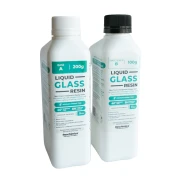
Bonjour
Dois utiliser un masque spécial pour manipuler la résine epoxy ou UV?
Dois utiliser un masque spécial pour manipuler la résine epoxy ou UV?
1 Answer
Show answers

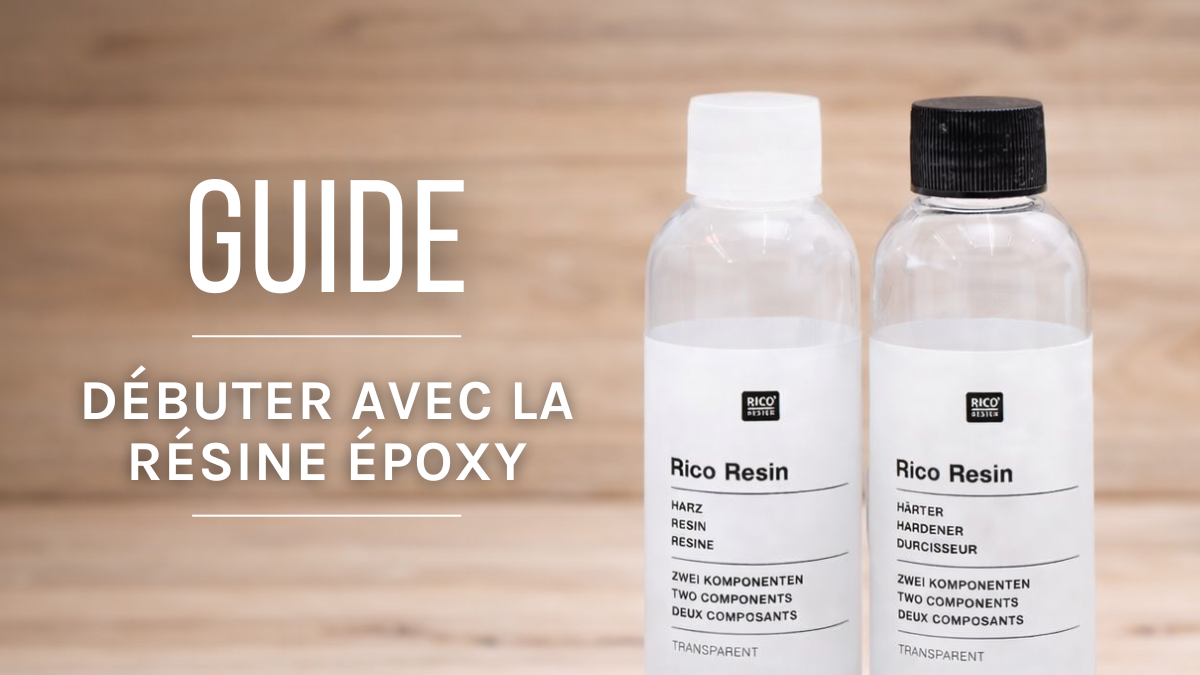
Epoxy resin is ideal for designers wishing to create a wide variety of jewels, from transparent pendants to colorful pieces with effects or inclusions. To succeed, follow the correct dosages, mix carefully and choose projects suited to your skill level. Start with basic materials and follow good safety practices to guarantee quality work.
Epoxy resin appeals to both DIY beginners and experienced creators alike. Why? Because it lets you make a wide variety of jewelry: transparent pendants, colorful pieces, marbled effects, inclusions… but those first pours can be intimidating. Proportions, air bubbles, curing times, finishing touches: it’s easy to feel like there are “too many rules.”
Here’s a recap of the basics you need to know to get started with epoxy resin.
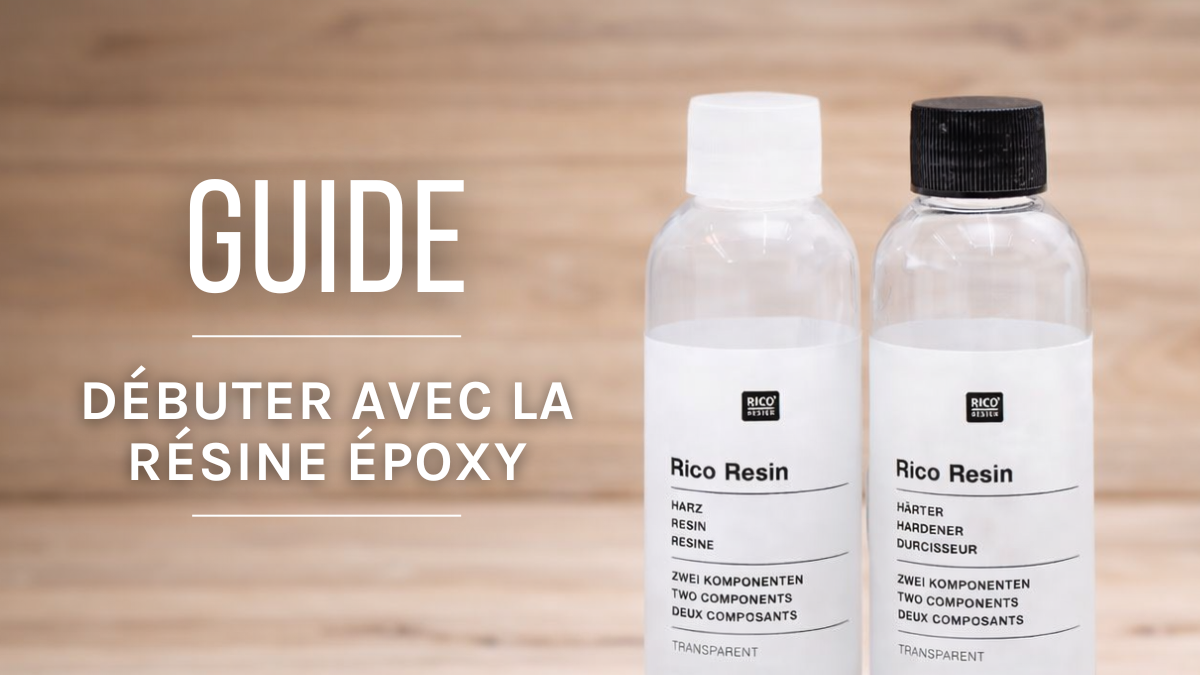
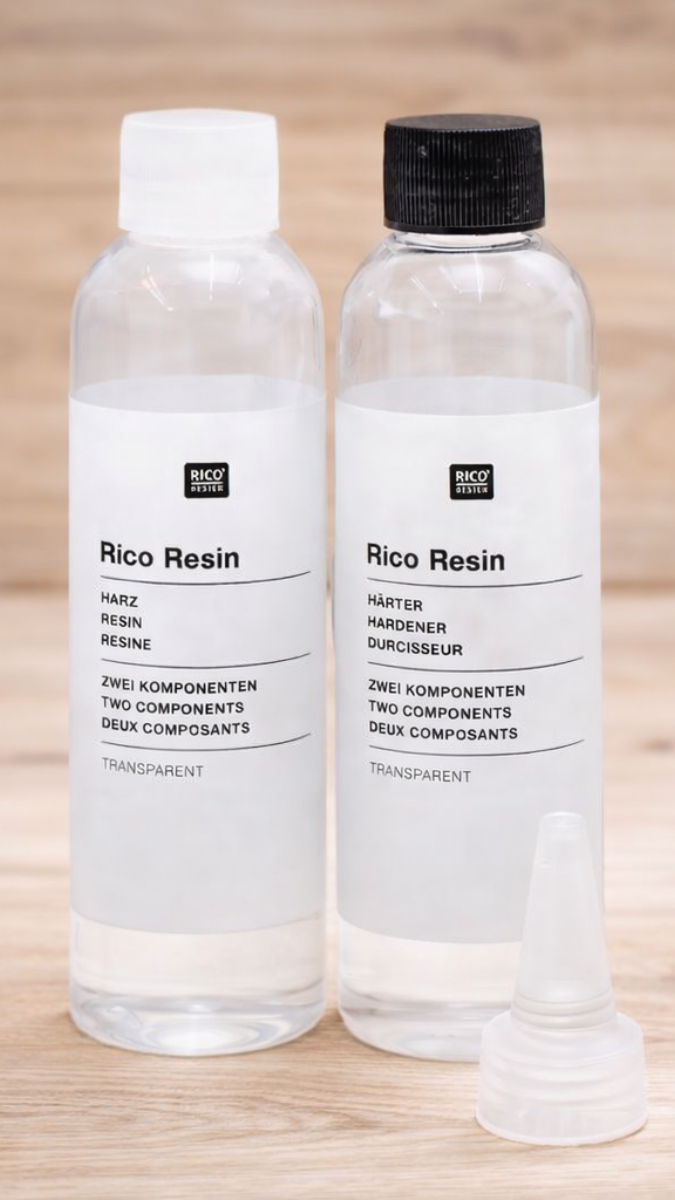
Epoxy resin is a two-part system (resin + hardener) that cures after mixing. Success depends mainly on four factors:
To understand when to choose epoxy resin or UV resin, read our dedicated article!
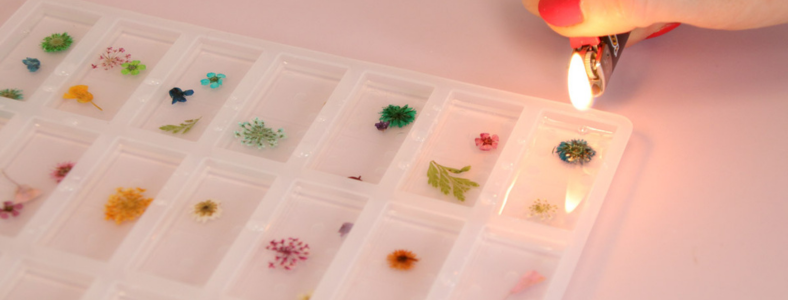
To get started with creating epoxy resin jewelry, here’s what you’ll need:
To choose the right molds (shape, depth, flexibility), please refer to our technical data sheet.
Even when working with a small pendant, epoxy must be handled with care:
Step 1: Prepare the mold and work area
Clean the mold if necessary, and place it flat on a surface. Prepare everything before mixing: once the resin is mixed, you have limited working time.
Step 2: Measure precisely
Follow the ratio specified by the manufacturer (by weight or volume). “Approximate” measurements are the number one cause of pieces that remain sticky.
Step 3: Mix Thoroughly
Mix slowly but thoroughly, scraping the sides and bottom. The goal is a homogeneous mixture without incorporating too much air.
Step 4: Let it rest (useful tip)
Depending on the resin and your technique, a short rest period can help some air bubbles rise to the surface before pouring.
Step 5: Pour while monitoring for bubbles
Pour gently into the mold. For air bubbles: it’s better to prevent them (slow mixing, gentle pouring) than to “overcorrect.”
Step 6: Protect while curing
Cover to keep dust out. Avoid moving the mold.
Step 7: Demolding and finishing
Remove from the mold once the piece is fully cured (according to the specified time).
For a smooth finish, you can then sand your pieces.
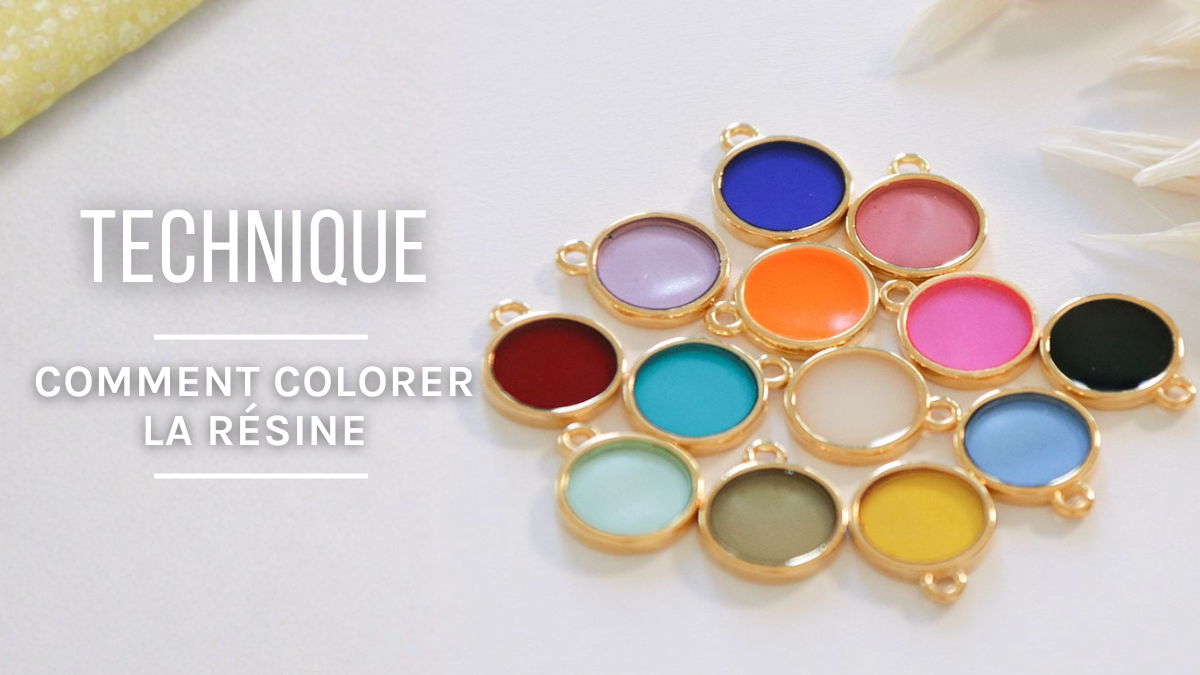
Once your first “transparent” pieces come out clean, you can gradually enhance them:
Pro tip: Change only one parameter at a time (new color OR new inclusion OR new shape). This is the easiest way to figure out what affected the result.



Often, if the epoxy resin is sticky or soft, it is due to a dosing issue or insufficient mixing.
Bubbles in the resin are usually caused by mixing too vigorously or pouring too quickly.
Yes, it is recommended to wear an appropriate mask when handling epoxy resin. You should also work in a well-ventilated room, wearing gloves and, ideally, safety goggles.
For UV resin, fumes are generally less pronounced, but wearing a mask is still recommended if you are sensitive to them or during prolonged use.
In any case, refer to the safety data sheet (SDS) for the specific product you are using, as recommendations may vary depending on the composition.

Credits
Perles & Co, Internet & E-Commerce company [28/01/2026] Any reproduction, representation, adaptation, in any form whatsoever, even partial, is prohibited, except for reproduction for private use not intended for collective use, representation in the family circle (art. L 122-5 CPI) and online publishing on condition that the source is mentioned and a link is included to the corresponding page of our site www.perlesandco.com.