Average Grades

The Fimo pasta breads sold in assorted pastel colours are half the size of the 57g breads, it is with this pasta that this tutorial has been made. Take the peach-coloured dough, cut it with your blade into pieces of different sizes.

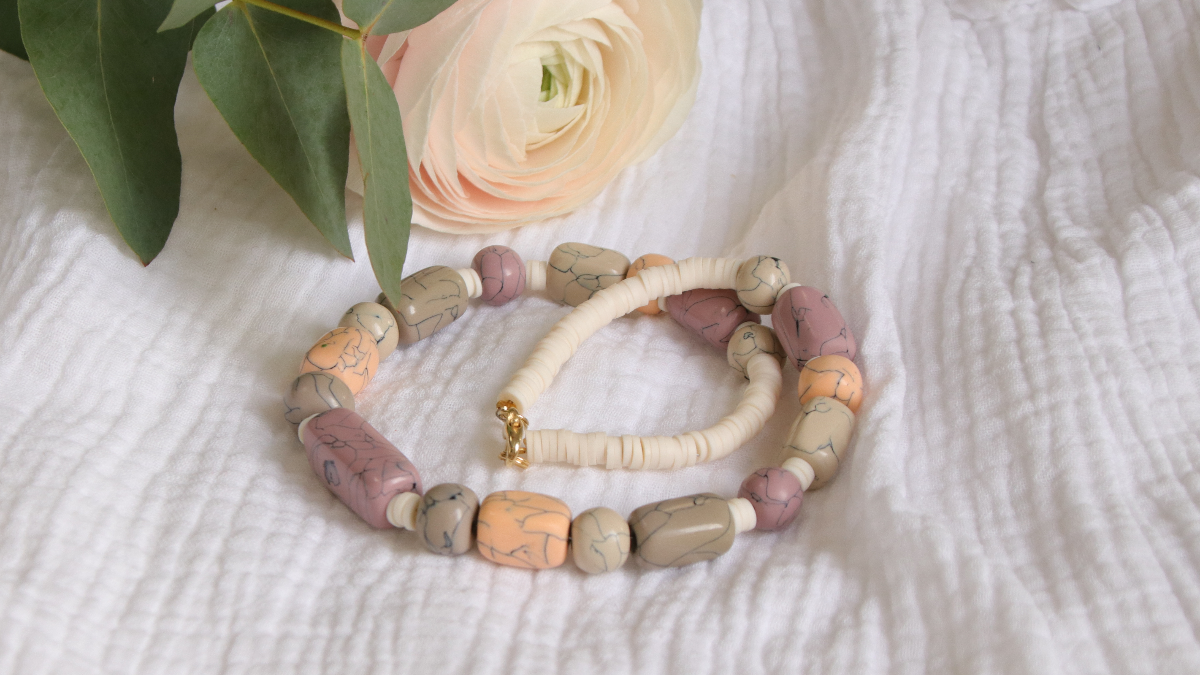
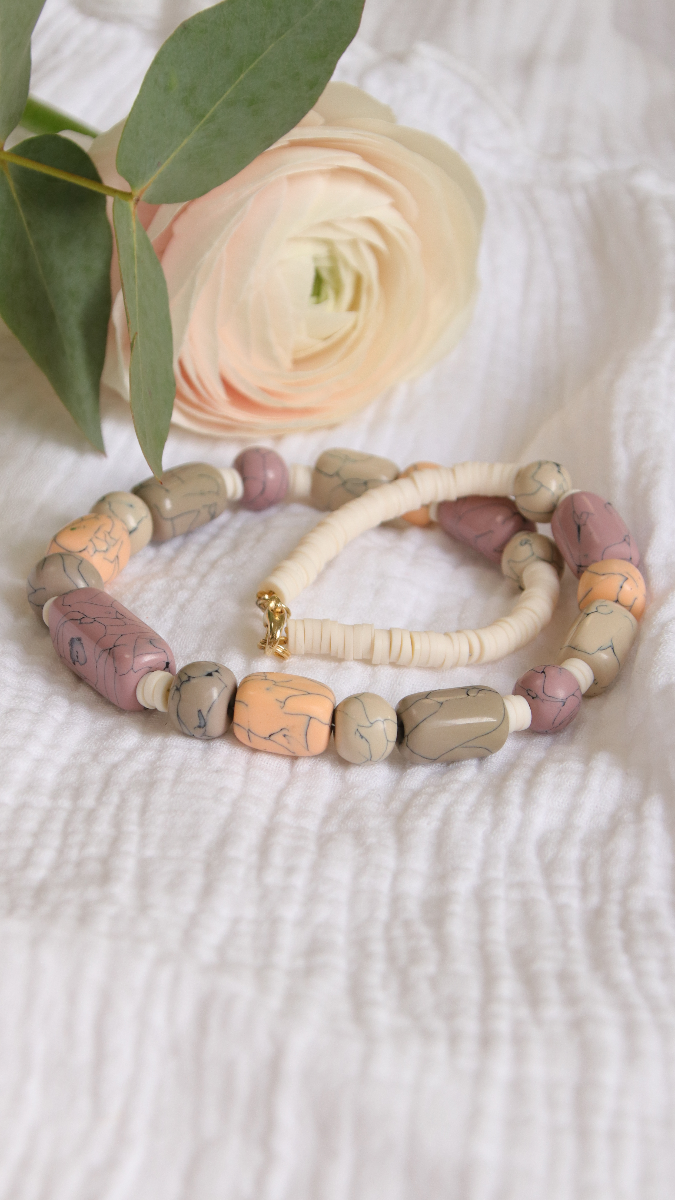
This tutorial shows you how to make a stone effect such as howlites with Fimo clay. First you have to make a duck and then use it by cutting slices to cover the pearls you will shape. Learn some tips to cook pearls without them being marked during the cooking process by their support. After sanding, polishing and buffing your pearls are ready to be mounted on a wire to have a necklace with pastel spring colors.
The Fimo pasta breads sold in assorted pastel colours are half the size of the 57g breads, it is with this pasta that this tutorial has been made. Take the peach-coloured dough, cut it with your blade into pieces of different sizes.

Take a first piece of paste, cover it with black acrylic paint, put another piece of paste on top and paint it as well. Mix all the pieces of paste together and cover them with paint as you put them on.

Take the block of pasta in your hand and squeeze so that the pieces are well stuck together and there is as little air as possible between the ends. Begin to shape a square or rectangular cane by rolling the roll on all sides.

Create 3 other ducks in the same way as the peach colour, taking the Sahara, taupe and antique pink colours.
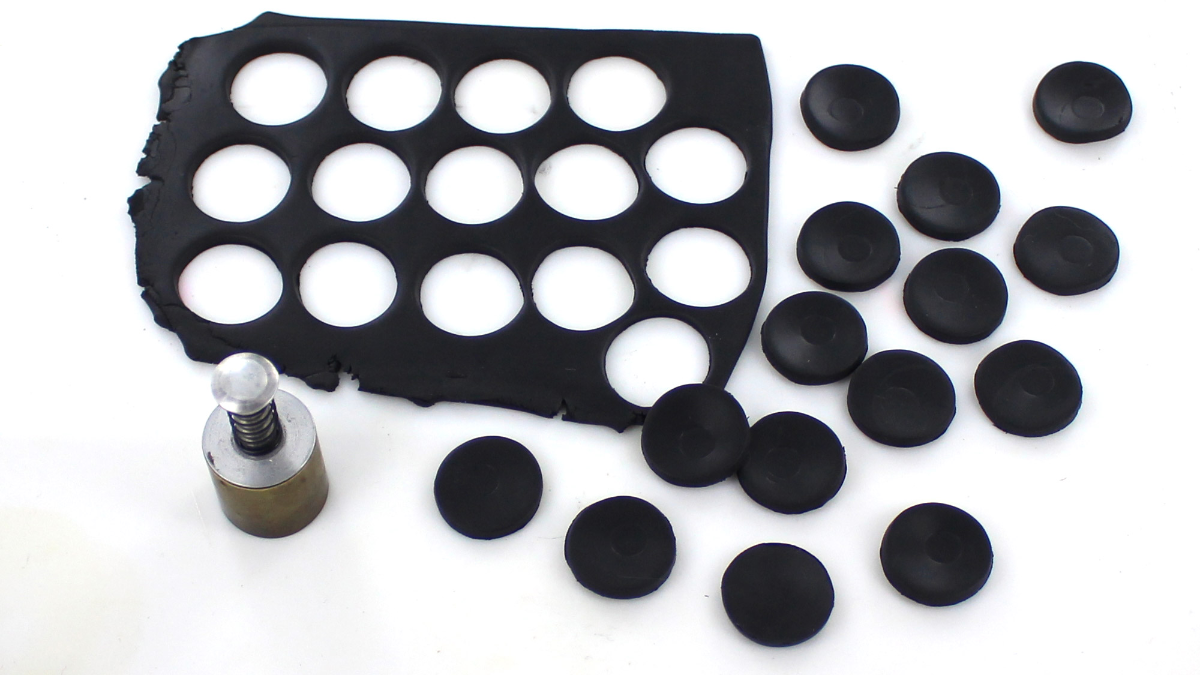
Take 3 bars of a 57g loaf of Black Fimo, pass it through the dough machine at the second notch after the largest. Take a 20 mm round cookie cutter to cut out 15 rounds.
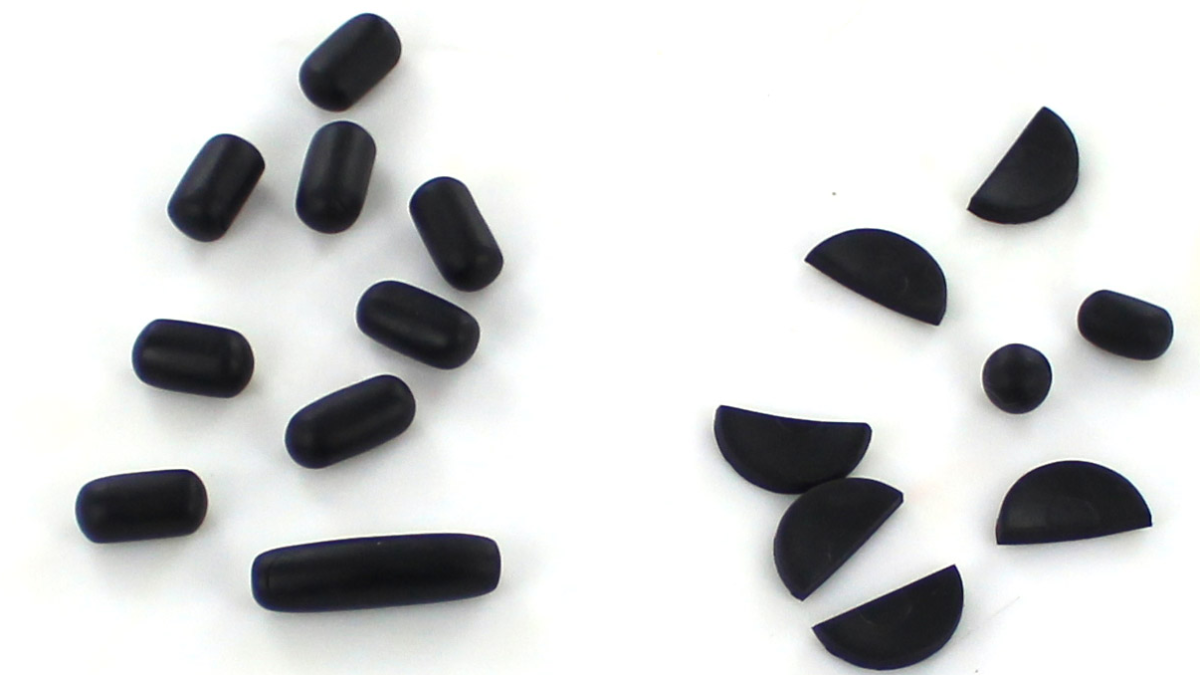
Glue two circles together to make the central bead. Then take 8 circles to make 8 beads which will be cylindrical. Divide the last 5 circles in half to make 10 smaller beads.
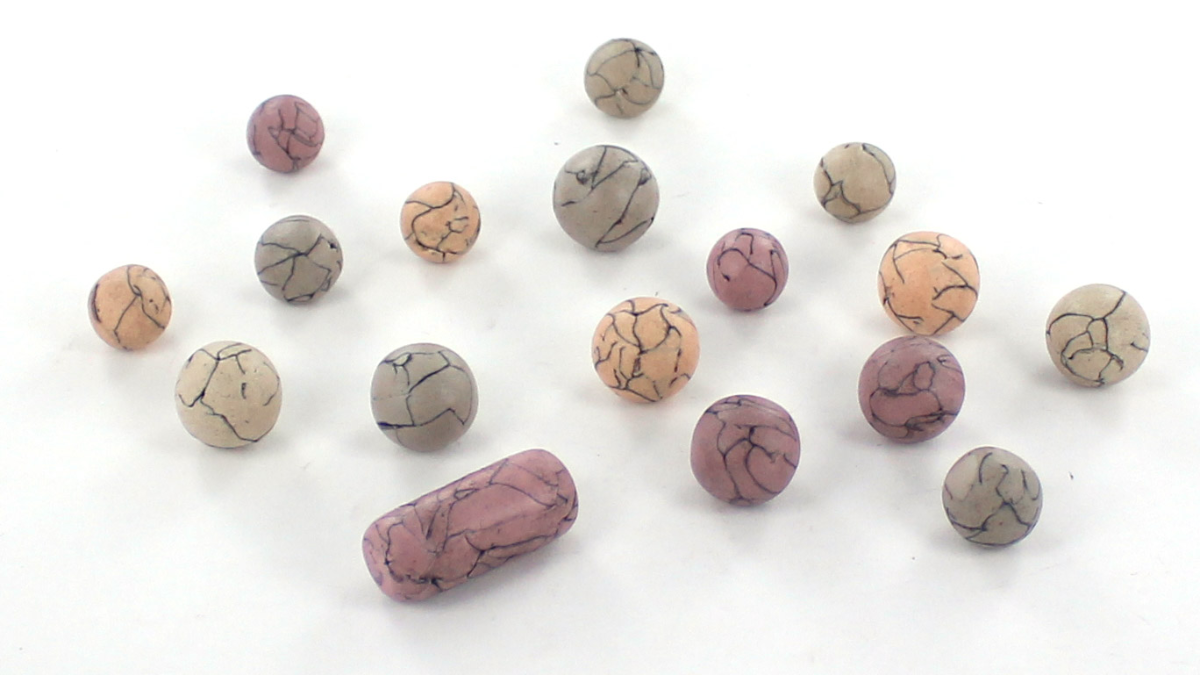
Cut slices from each of your ducks to cover the beads, it is easier to cover round beads so that you can easily smooth them by rolling them between your hands, you don't need any relief in the pasta joints. In this photo, two small Sahara beads are missing.
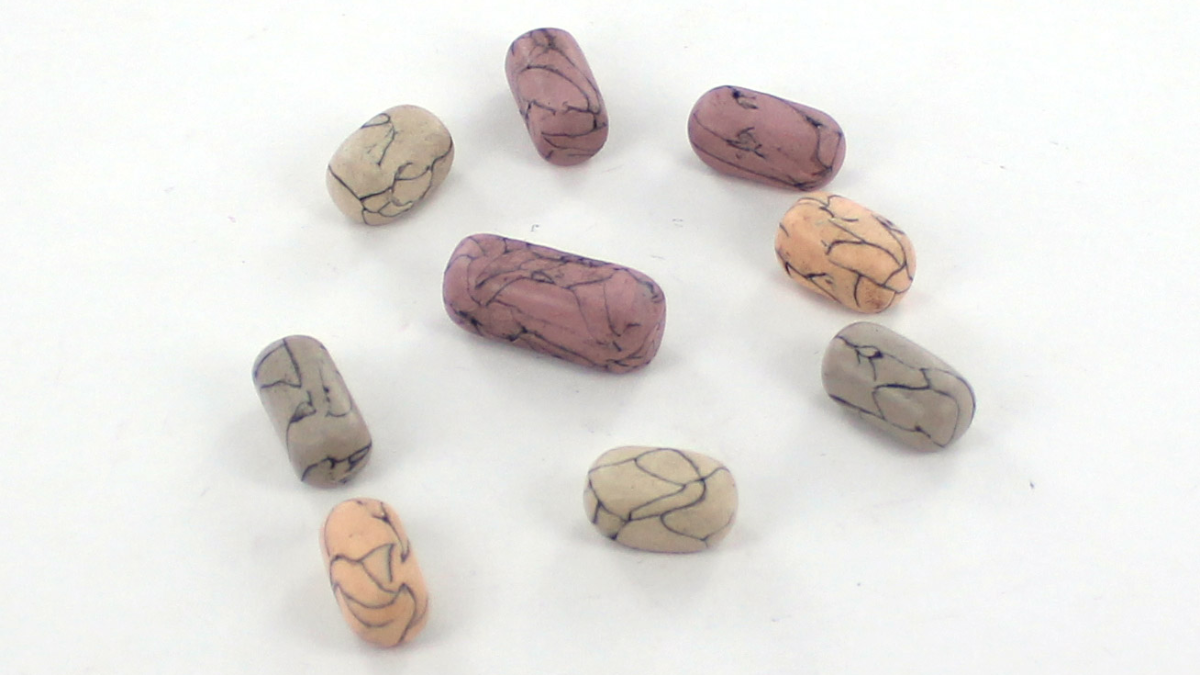
The larger beads are lengthened by rolling them under your fingers and flattened with the help of a roller.
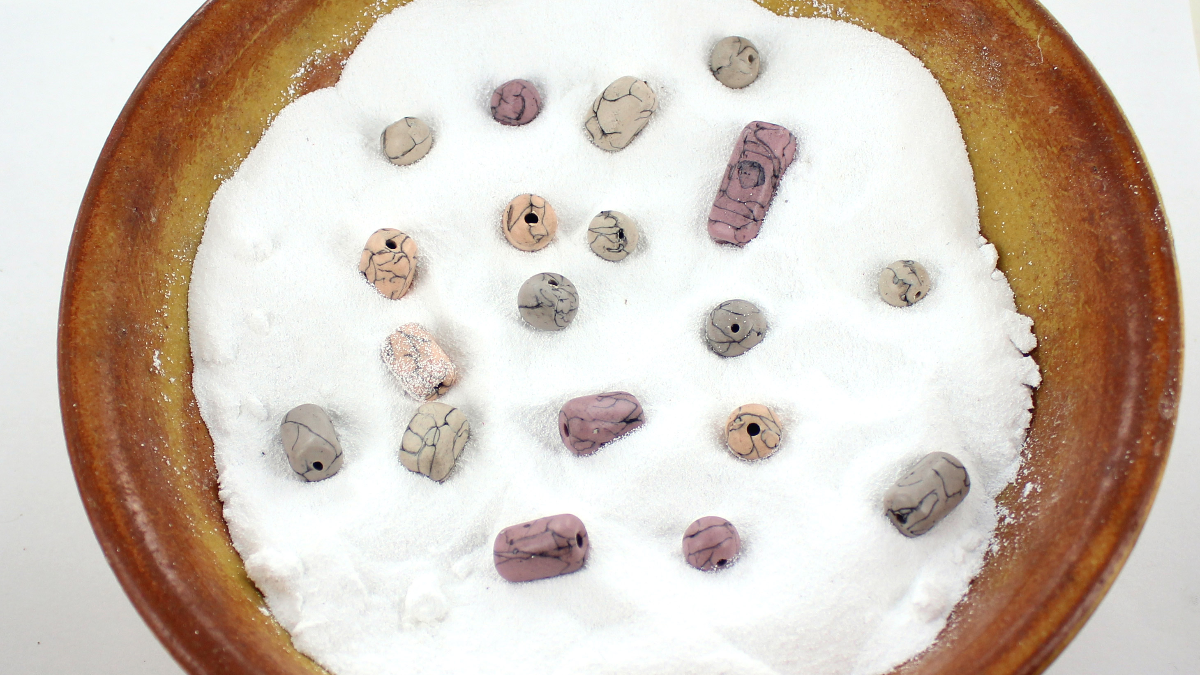
Take a big needle to pierce all your pearls. Put baking soda in the bottom of a container to put your beads on, they will not be marked during cooking, you can also thread all your beads on needles and then place them on a cooking rack. Cook for 30 minutes at 120 degrees.
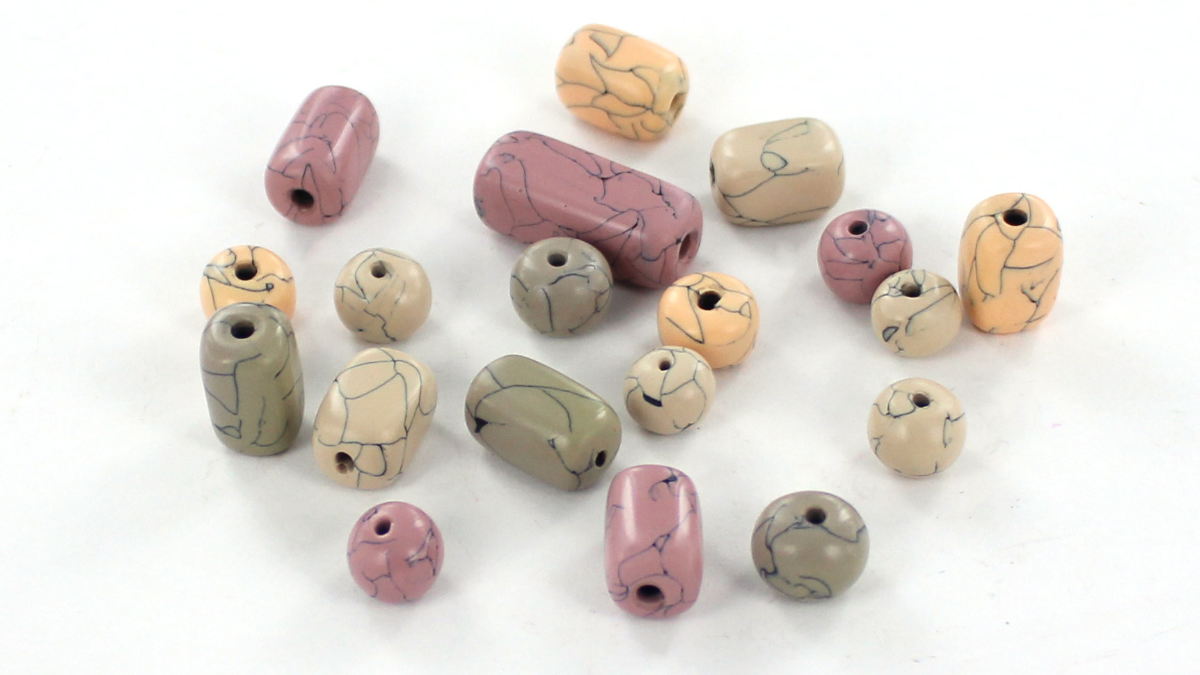
Plunge after cooking pos pearls in a bath of warm soapy water to clean them by sanding them with a thousand grain abrasive. Continue with two different grains of micro-mesh, for example those with 2400 and 4000 grain. To obtain a shine, polish with a flannel disc that is mounted either on a drum or on the hose of the Dremel drill.

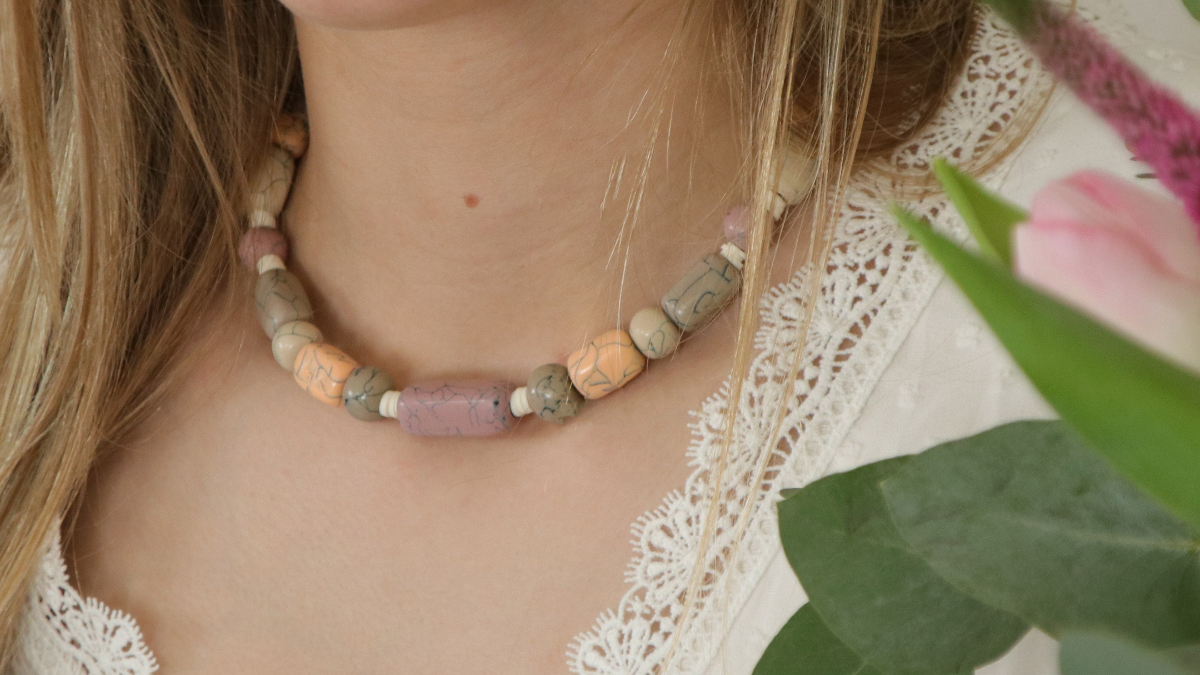
Cut the cable wire wide in relation to your neck size. Thread all your beads symmetrically at the center, the small washers are already made and are made of polymer clay.

Finish by passing over each end a squeeze bead and then a double ring, iron the thread in the squeeze bead. Attach by crushing the bead with pliers, the remaining wire must be cut leaving only one centimeter, put a dot of glue on it and put it in the beads washers. Do the same thing on the second side by passing the double ring with the carabiner clasp.









You have a question about this tutorial? Ask it to our team and the people who have already tested it. The Perles & Co community is here to help you!
Credits
Perles & Co, Internet & E-Commerce company [25/02/2021] Any reproduction, representation, adaptation, in any form whatsoever, even partial, is prohibited, except for reproduction for private use not intended for collective use, representation in the family circle (art. L 122-5 CPI) and online publishing on condition that the source is mentioned and a link is included to the corresponding page of our site www.perlesandco.com.

