Average Grades

Buongiorno ho letto la scheda ma non trovo i video tutorial su come fare il Mala tibetano.
1 Answer
Show answers

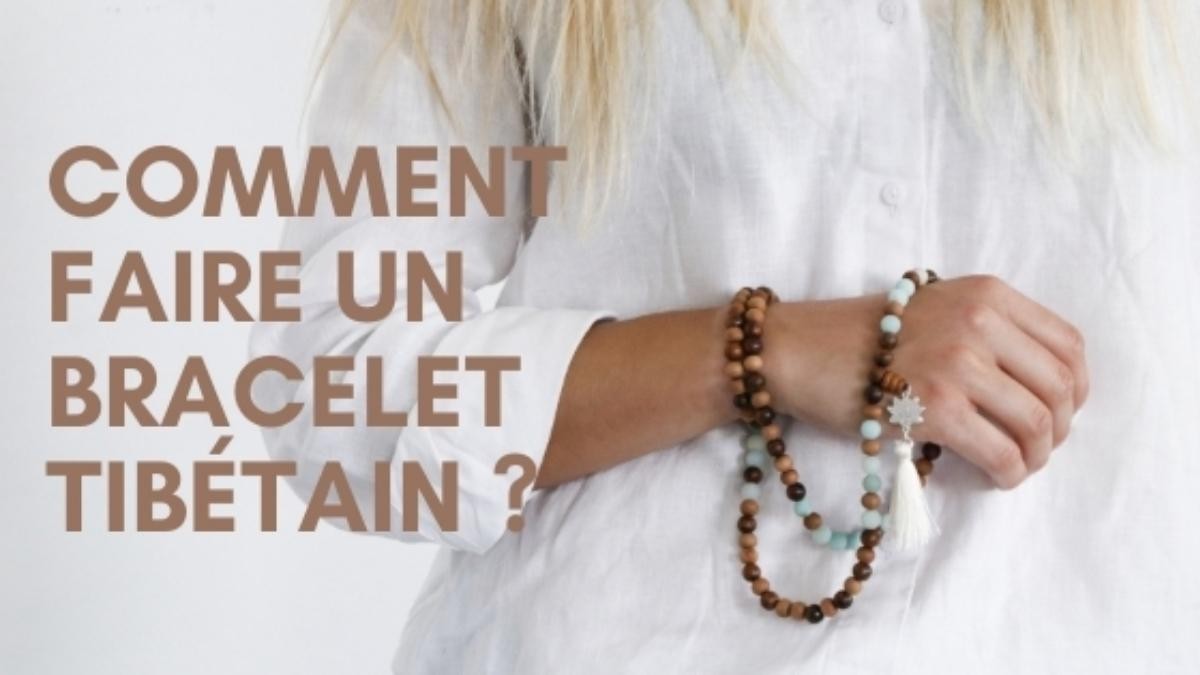
Tibetan bracelets, in particular the famous mala, come in a variety of types and are prized for both their aesthetic and spiritual aspects. Made from natural beads, it is used for meditation and has become a fashion accessory that is both trendy and symbolic. Choose a traditional mala in 108 beads for an authentic experience, or a smaller bracelet for a modern, practical touch.
There are many types of Tibetan bracelets, each with its own use: the red Tibetan bracelet, the shamballa bracelet, the Tibetan braided bracelet, the lucky bracelet... But the most emblematic is the Mala bracelet.
In recent years, these bracelets made of beads or wire have become more than ever in vogue. The Tibetan bracelet has become a fashion accessory worn on catwalks and by influencers. It's appreciated by men and women alike. For some, it's a simple aesthetic object akin to ethnic jewelry; for others, however, it remains a spiritual object, a piece of jewelry used for its lithotherapy benefits, or a lucky charm bracelet.
This long necklace is a traditional Buddhist rosary, said to have been created over 3,000 years ago. It has always been used by Tibetan Buddhist monks to count mantras while meditating or reciting prayers. Hence the name "mâlâ", which in Sanskrit means "meditation garland".
Today, it still fulfils its religious function among Buddhists and Hindus, but it is also popular with those with an interest in the latest trends, the Zen attitude or personal and spiritual development.
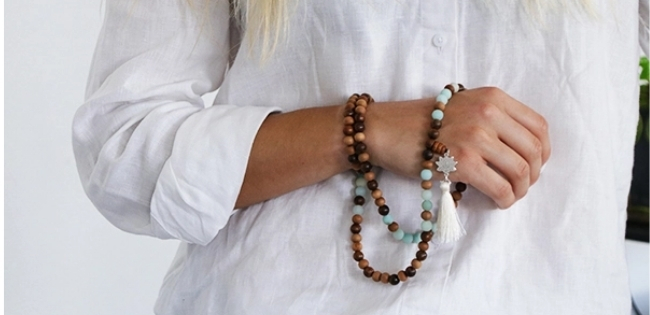
Mala is worn daily as a necklace or wrapped around the wrist as a multi-rang bracelet. But there's also a smaller version in the form of a Tibetan bracelet, usually made from elastic or waxed thread. In this case, Buddhist bracelets are worn on the right side to ward off negative energies.
Whether you're on a spiritual quest or looking for a trendy piece of jewelry, you've come to the right place to find out how to make a Tibetan Mala!

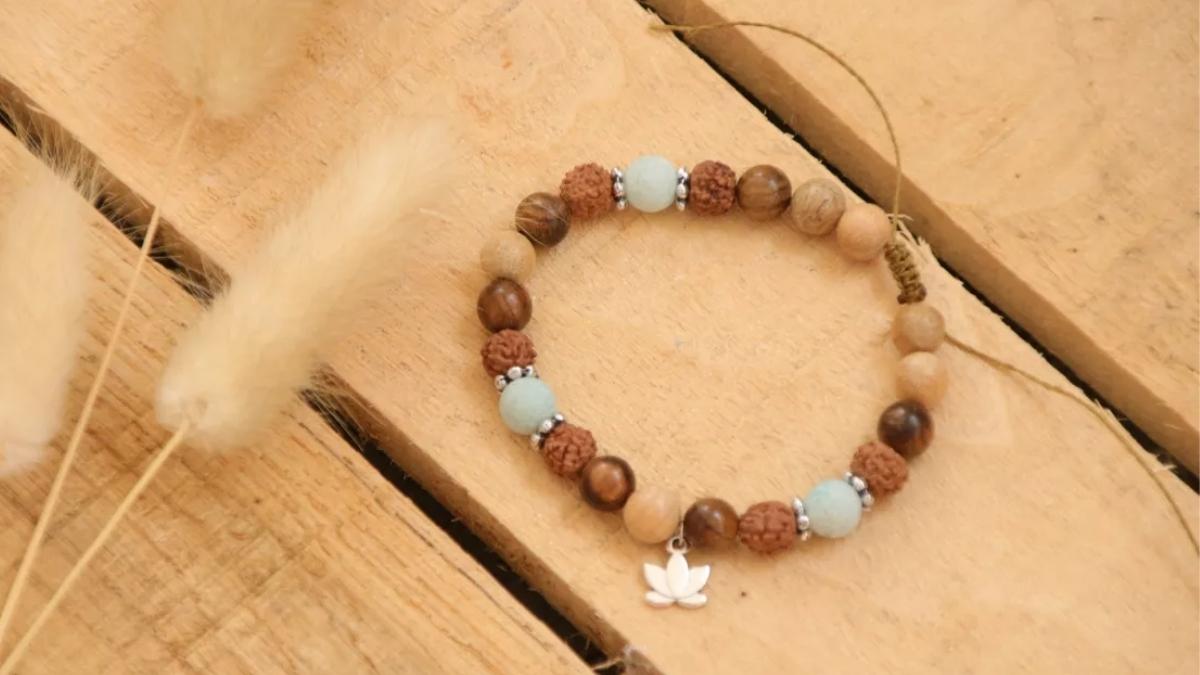
Often sober, this lucky Tibetan bracelet is made of 6 to 8 mm beads for easier handling during meditation.
To make a mala bracelet or rosary, you need to string the beads in a very precise order.
Here's what you'll need:


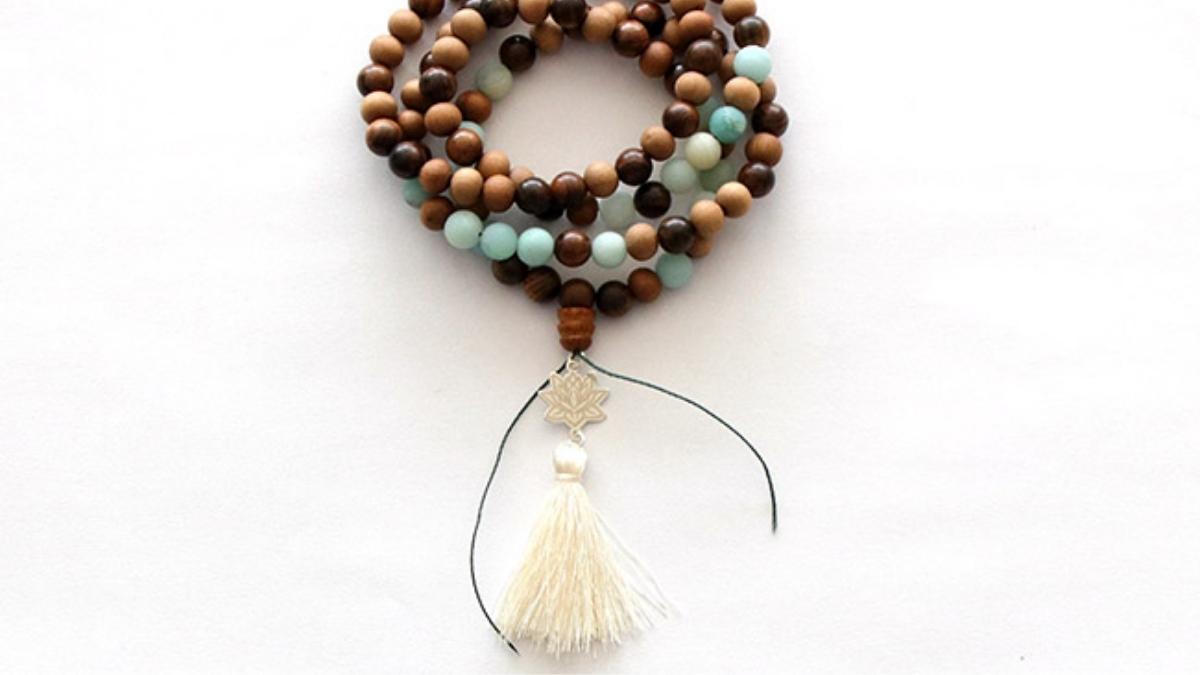
When it comes to materials, opt for natural ones such assandalwood orrudraksha beads, as well as gemstones, bone or glass beads. Which stones to use to make a Mala? You can use beads made of tiger's eye, black onyx, labradorite, turquoise, amazonite or rock crystal....
For a Mala bracelet or necklace, use an elastic thread, a Linhasita-style waxed thread that will enable you to make a sliding knot, a beaded cotton thread, a nylon thread, a cabled thread... Choose yarns made from natural materials such as linen, bamboo or silk.
Are you won over by this original bracelet? Try your hand at making your own Mâlâ by following our two tutorials. Get started!

Credits
Perles & Co, Internet & E-Commerce company [30/08/2021] Any reproduction, representation, adaptation, in any form whatsoever, even partial, is prohibited, except for reproduction for private use not intended for collective use, representation in the family circle (art. L 122-5 CPI) and online publishing on condition that the source is mentioned and a link is included to the corresponding page of our site www.perlesandco.com.