Average Grades
Free shipping on orders over 50€ up to 500g
French Online shop for beads and accessories for the creation of DIY jewellery and other creative hobbies
Log-in
0
Shopping cart
Shopping cart

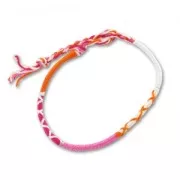
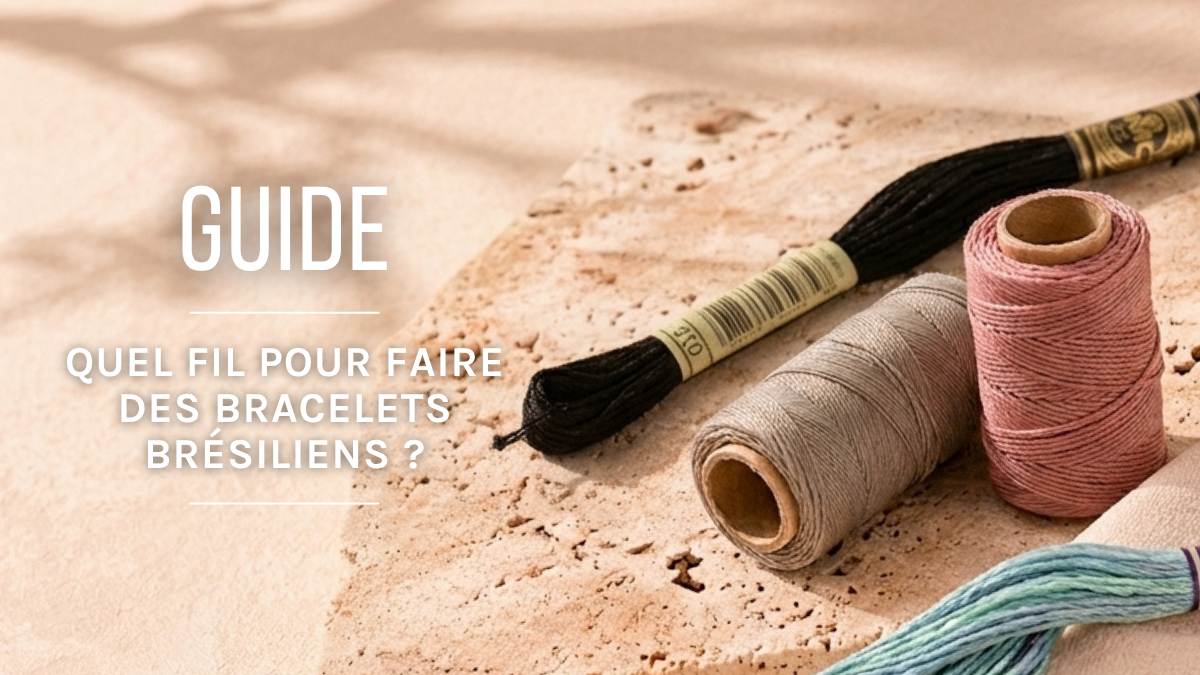
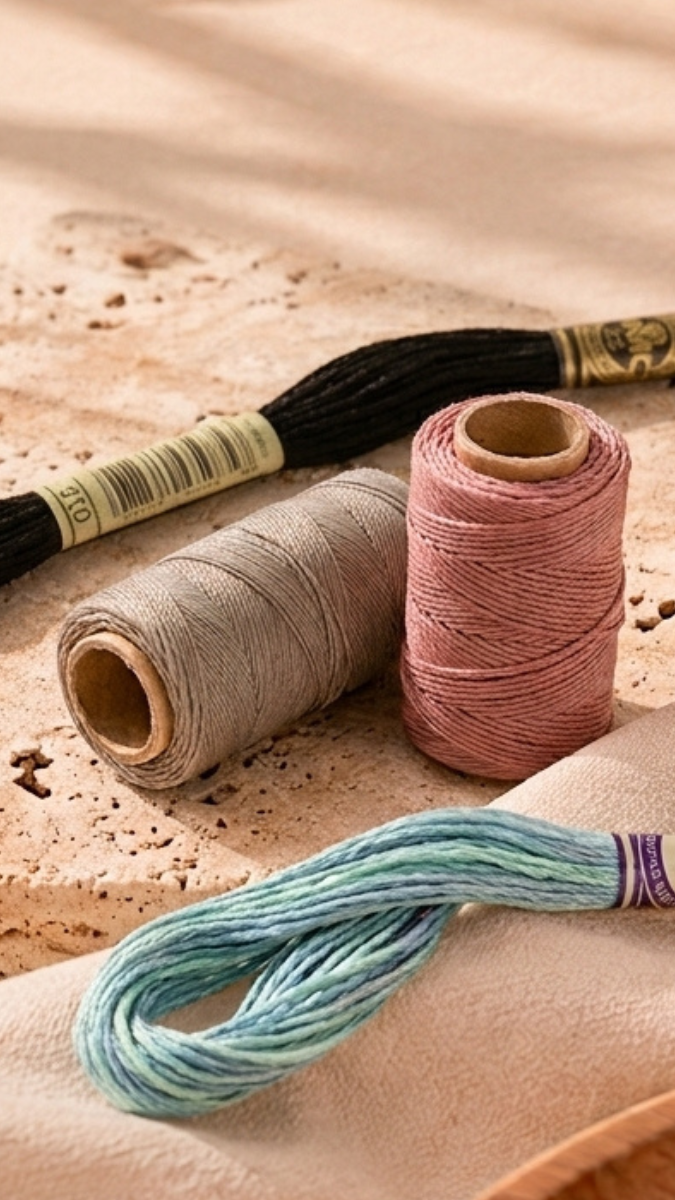
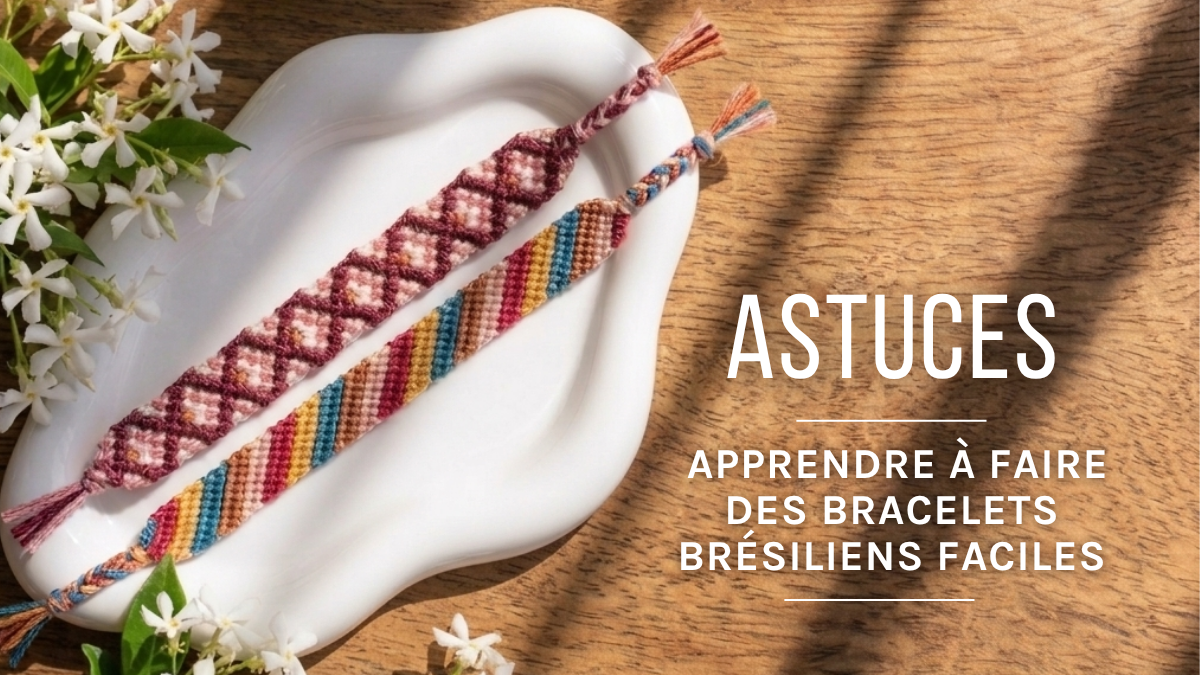
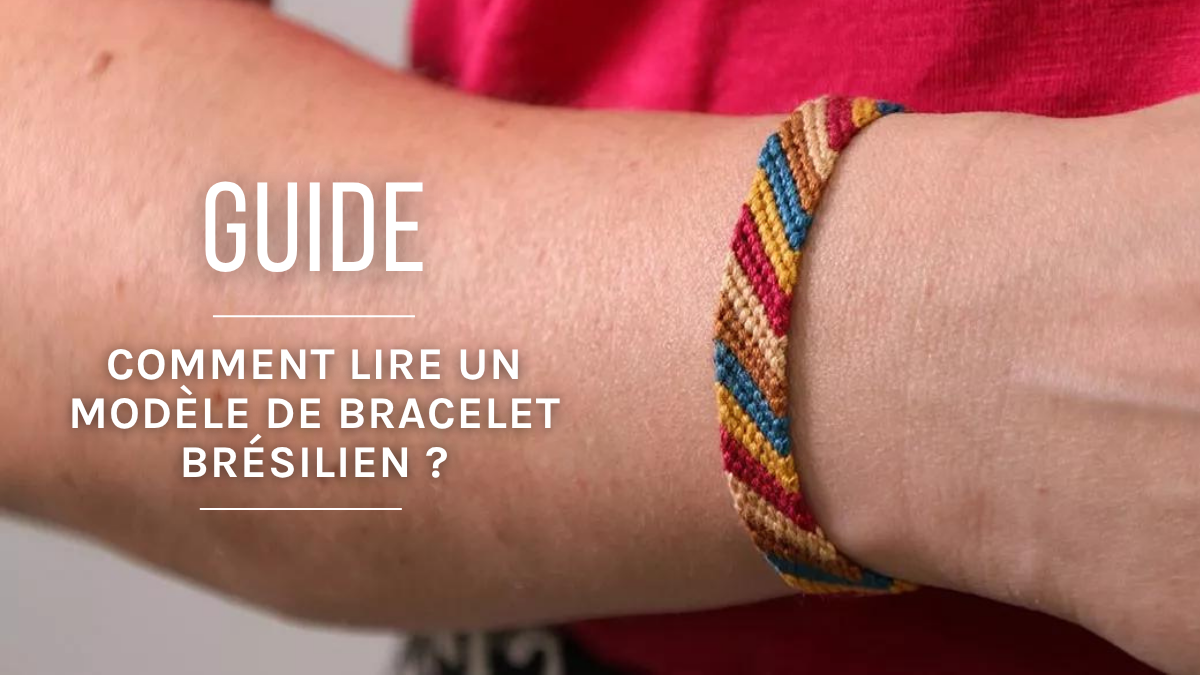
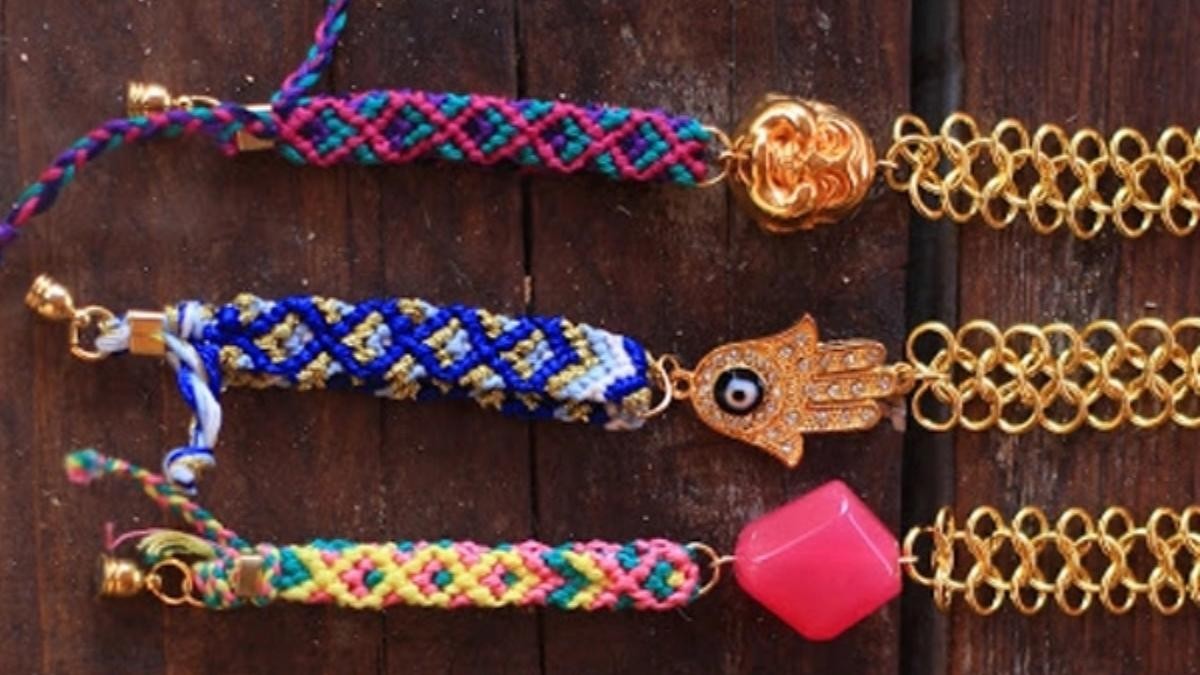
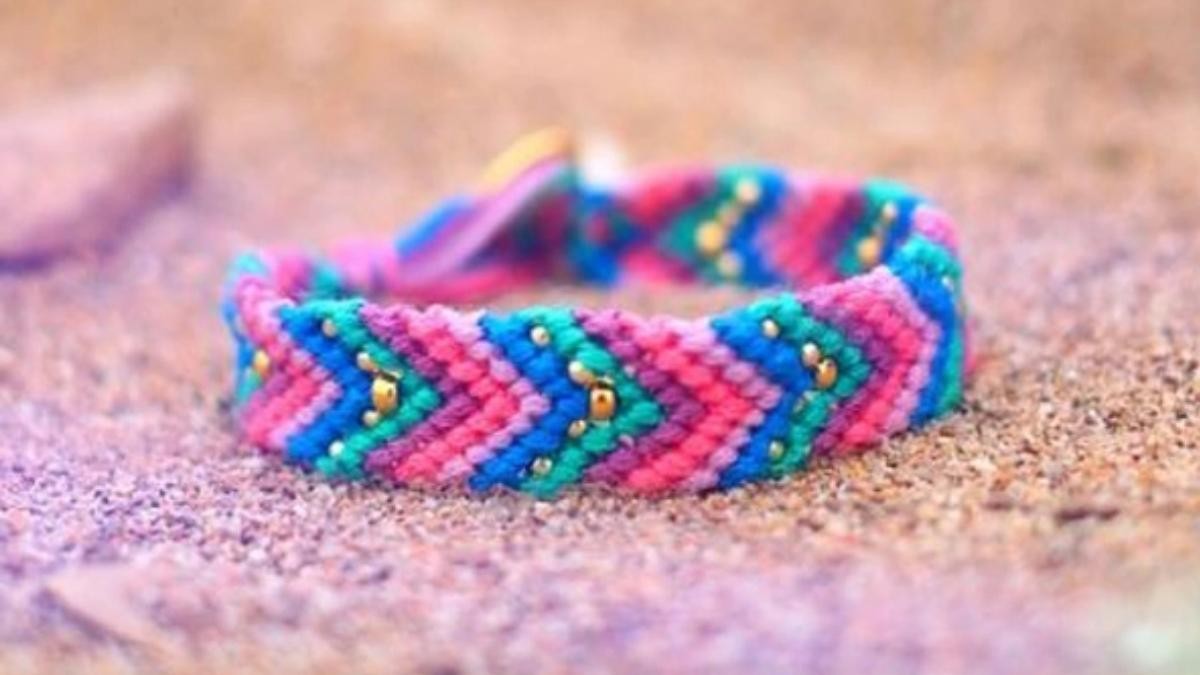
Brazilian bracelets, a childhood favorite, can be made using various types of thread suitable for weaving. Waxed linen thread gives a handcrafted look, while C-LON Beading Cord, which is more durable, allows for neat finishes. For a silky finish, opt for Linhasita, while beaded cotton is ideal for flexible weaving, although it is less durable.
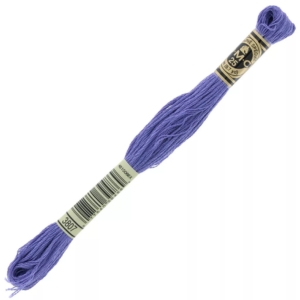
Do you dream of reviving the tradition of hand-braided friendship bracelets, but aren't sure which thread to use? Good news: there isn’t just one “right” thread for making a Brazilian bracelet—there are several options, each with its own look and benefits. We’ve tested other types of thread for you besides the classic skeins of DMC embroidery floss.
Of course, for those who want to relive the nostalgia of their childhood, we offer a wide selection of colors in this product line. These days, there are many other types of thread available, each with its own unique characteristics. Here’s what we think.
Type of thread | Strength | Ease of weaving | Finish | Advantages | Disadvantages |
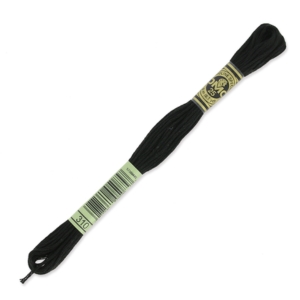
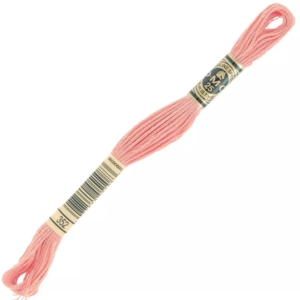
DMC Embroidery Floss | Average | Easy, ideal for beginners | Glue stitch | Classic thread for Brazilian bracelets | |
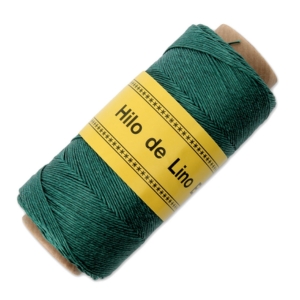
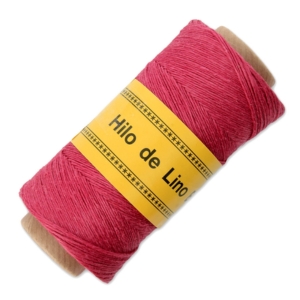
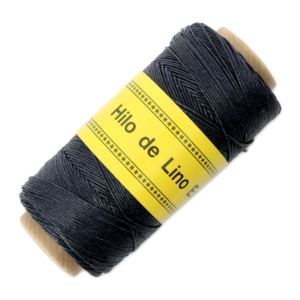
Waxed linen | Medium | Easy, but there is space between the knots | Glue-only stitch | Highly sought-after bohemian look, beautiful color rendering | Does not melt; not recommended for a slipknot |
C-LON Beading Cord | Excellent | Slightly stiff | Meltable, suitable for slip knots | Very strong, knots are easy to tie and untie, holds up well over time | A bit stiff, gaps between knots sometimes visible |
Linhasita | Good | Average, pleasant | Meltable, slipknot works well | Even weave, high-end finish, good durability | |
Pearl cotton | Low abrasion resistance | Very supple | Use glue to secure; avoid slip knots | Easy to tie knots, very supple thread | Poor abrasion resistance; knots are difficult to untie |
Waxed linen thread is a slightly stiff thread that leaves a little space between the knots. We recommend using waxed thread with a diameter of 0.7 mm.
C-LON Beading Cord is a synthetic nylon cord. The 0.5 mm cord is perfect for making your own DIY woven jewelry.
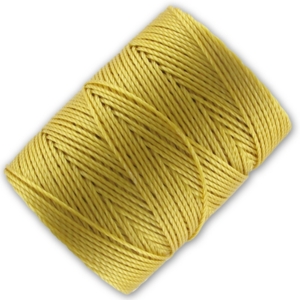
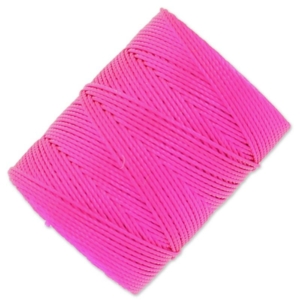
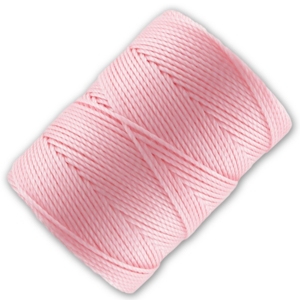
Originally from Brazil, Linhasita cord was designed for micro-macramé. It is also a synthetic cord—made of polyester—that is coated with a wax, giving it a sticky feel but allowing you to tie knots that hold securely. It’s best to use 0.5 mm or 0.75 mm cord for bracelets rather than 1 mm in diameter.
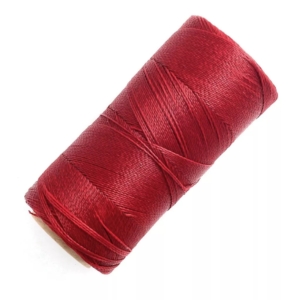
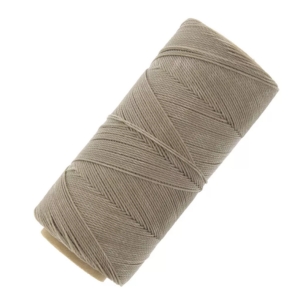
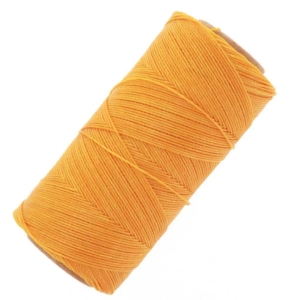
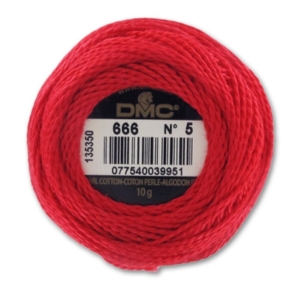
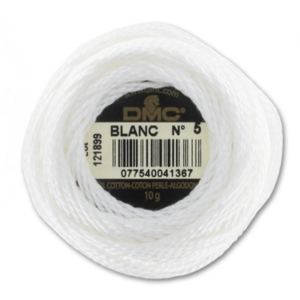
Bead cotton thread is ideal for weaving friendship bracelets. For beautiful designs, choose size 5.
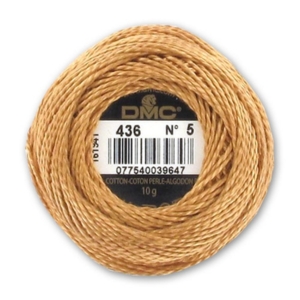
Once you’ve chosen your thread, all that’s left is to determine how much Brazilian bracelet thread you’ll need to make your friendship bracelet.
To figure out what length of Brazilian bracelet thread to use, here’s a tip: cut pieces of thread the same length as the arm of the person who will be wearing your creation.
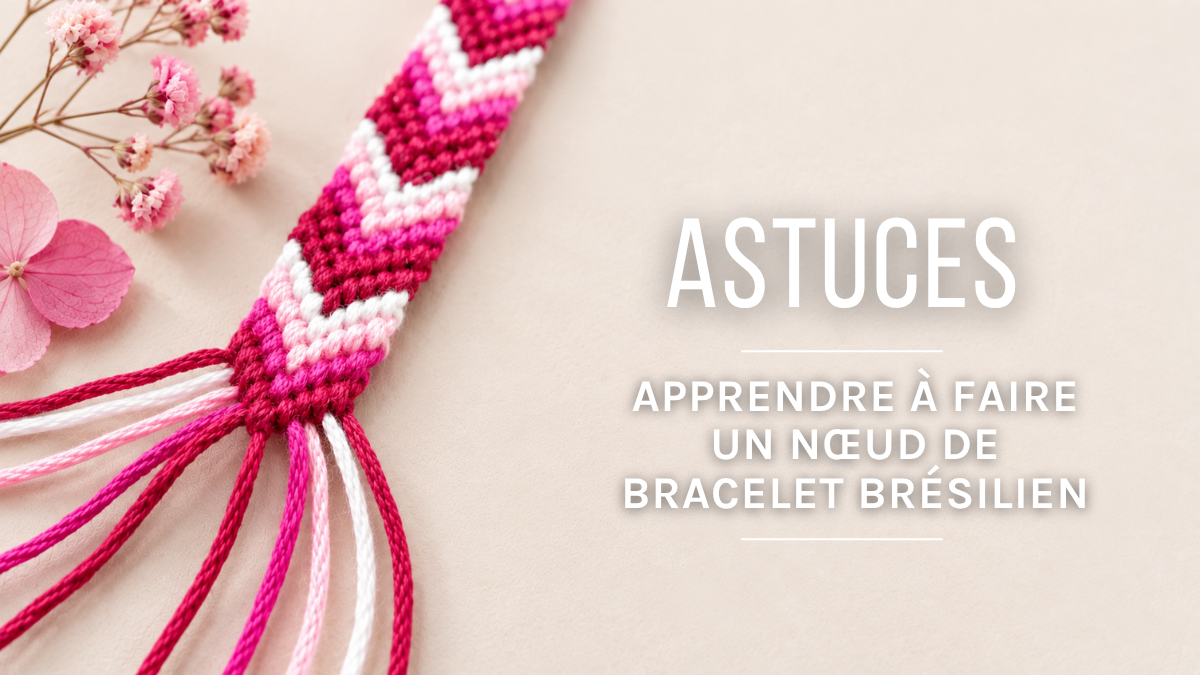
Now let’s get crafting! Check out our Brazilian bracelet designs in our tutorials and let your creativity run wild.
The macramé weaving used for Brazilian bracelets relies on repeated knots—often hundreds on a single piece. The thread you choose therefore affects three key factors: how well the knots hold up over time, the final visual appearance (matte, silky, or shiny), and how easy it is for beginners to weave. A thread that’s too slippery can cause your work to unravel, while a thread that’s too stiff will leave unsightly gaps between the knots.
Before you get started, keep a few selection criteria in mind:
C-LON Beading Cord is the most abrasion-resistant and retains its shape over time. It fuses to the end of the thread, allowing for a clean finish with a slip knot.
Credits
Perles & Co, Internet & E-Commerce company [06/07/2026] Any reproduction, representation, adaptation, in any form whatsoever, even partial, is prohibited, except for reproduction for private use not intended for collective use, representation in the family circle (art. L 122-5 CPI) and online publishing on condition that the source is mentioned and a link is included to the corresponding page of our site www.perlesandco.com.