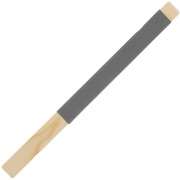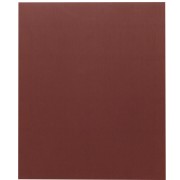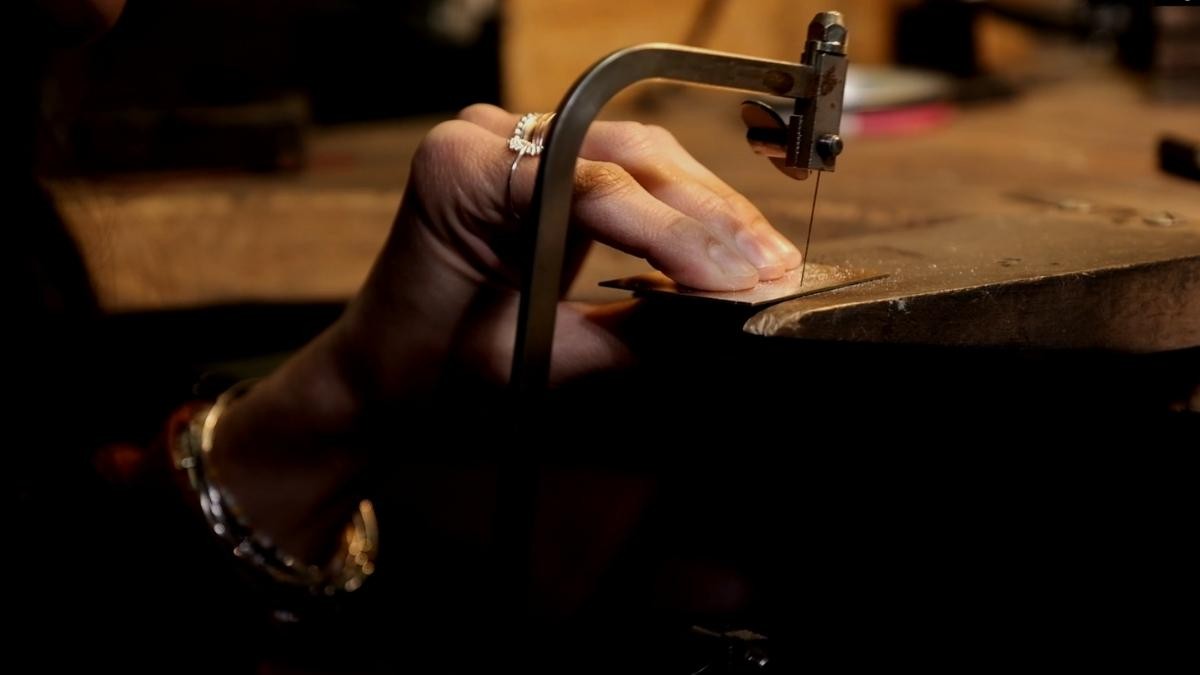

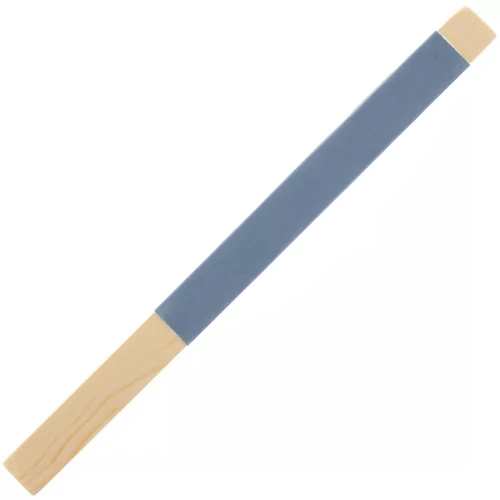
The emery wheel is an indispensable jewelry tool, used to sand(emery) your metal creations. In jewelry, sanding is the next step after filing. As the file leaves traces in the metal, it's with emery that we remove the scratches and prepare the jewel for polishing.
Once you've used up your emery paper, don't throw it away. It can be re-coated with one or more sheets of abrasive paper. With this homemade emery board, you're back in business!
Not sure which emery cloth grit to choose? The grain size of emery paper makes it more or less abrasive.
For metal parts, emery cloth is sanded in several stages: starting with 220 grit (the coarsest), then progressively finer grit, ending with 2000 grit (the finest).
Remember that the smaller the number, the coarser the grain.
- Between 150 and 240, it's for roughing.
- Between 240 and 600, for finishing.
- Between 800 and 2000, for advanced finishing.
Tip : don't sand in the same direction. Always remember to cross the lines for optimum grinding.
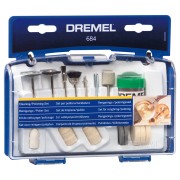
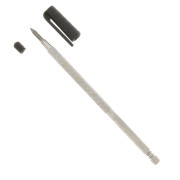
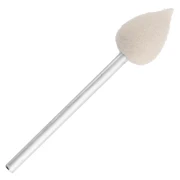
There are several tools available for grinding metal: the cabron (we explain how to prepare it in our video), the emery wheel called the fly, or even a homemade emery wheel made by wrapping emery paper around your needle file (ideal for reaching small or hard-to-reach areas).
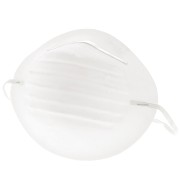
When sanding, take certain precautions: protect yourself with a pair of gloves, protective goggles and work in a well-ventilated area. To avoid inhaling dust, which is harmful to health, it's also advisable to wear a fine dust mask.
Details:
Length: 24.5 cm
Width: 18.2 mm
Thickness: 5.6 mm
Sandpaper size: 15x1.8 cm
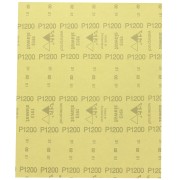
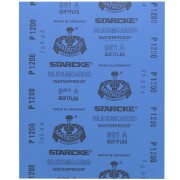
Grit size: P1200
Sold per 1 piece