Average Grades
Bonjour est ce que ces produits peuvent être utilisés pour le contact alimentaire ?
1 Answer
Show answers

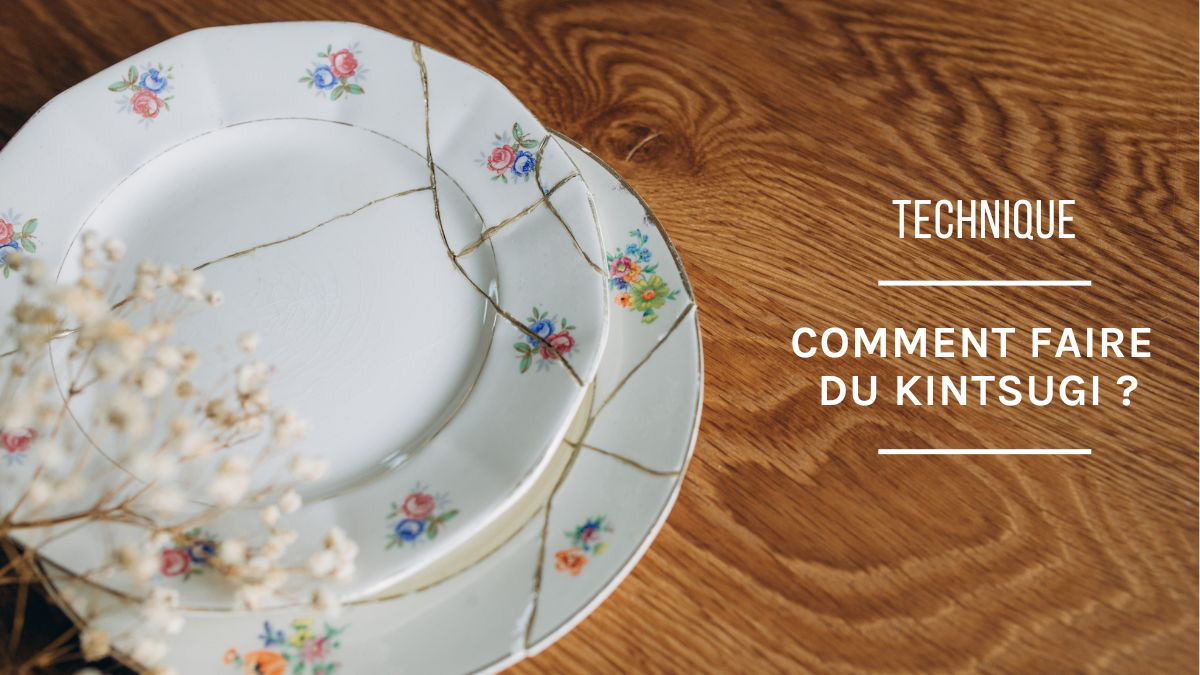
Kintsugi is a Japanese technique that repairs broken objects by highlighting the cracks with gold. With a simple DIY using epoxy glue and gold paint, give new life to your broken objects, transforming them into decorative elements.
Kintsugi is much more than a DIY method: it's an ancestral Japanese technique that transforms everyday accidents into works of art. The principle? Repair broken crockery not by hiding the cracks, but by highlighting them with lacquer mixed with gold, silver or platinum powder.
This philosophy values imperfection and makes each repaired object totally unique. Today, Kintsugi has become a trendy DIY (Do It Yourself) technique. It is now accessible to all, thanks to modern materials such as gold paint and epoxy glue, enabling you to give new life to your bowls, cups or plates without resorting to expensive traditional materials.
You don't need to be an expert to recreate this magic at home and start repairing ceramics. Here's a list of the materials you'll need:
The steps are very simple for home Kintsugi.
1. Prepare your golden glue
Start by creating your binding mixture. Mix the epoxy glue and gold paint in your container until you obtain a homogeneous hue. This mixture will simulate traditional gold powder: it's what will make the cracks luminous and aesthetically pleasing.
2. Reassemble the pieces
Apply the gold glue generously to the edge of a broken piece, then quickly reassemble it with the corresponding part. Hold the pressure firmly for a few minutes to ensure solid adhesion.
3. Sublimate the cracks
This is where the magic happens. For an enhanced aesthetic effect, you don't have to glue everything back together perfectly. You can leave some broken areas unglued and simply paint the gaps gold. This creates a striking contrast that enhances the object's "scars".
4. Leave to dry
Patience is key, as complete drying is necessary before handling the object.
Caution: As this DIY Kintsugi uses epoxy glue and acrylic paint, avoid eating or drinking with the object after repair.
It becomes a magnificent decorative object.
5. Finishing
Once dry, if the glue relief is too pronounced, gently sand with sandpaper to smooth out any excess. Admire your crockery transformed into a unique piece of art.
Beyond simple repair, Kintsugi brings a strong ecological dimension (Upcycling) by giving a second life to objects destined to be thrown away.
The practice also cultivates a philosophy of beauty in imperfection and resilience, faithful to Japanese Wabi-sabi thinking. Kintsugi transforms repair, often seen as a chore, into a creative expression accessible to all, using simple materials.
DIY Kintsugi is a playful and poetic way to decorate your home with unique pieces while reducing waste. With a little skill and a few golden paints, anyone can learn this ancestral art and create precious souvenirs by sublimating their golden scars.
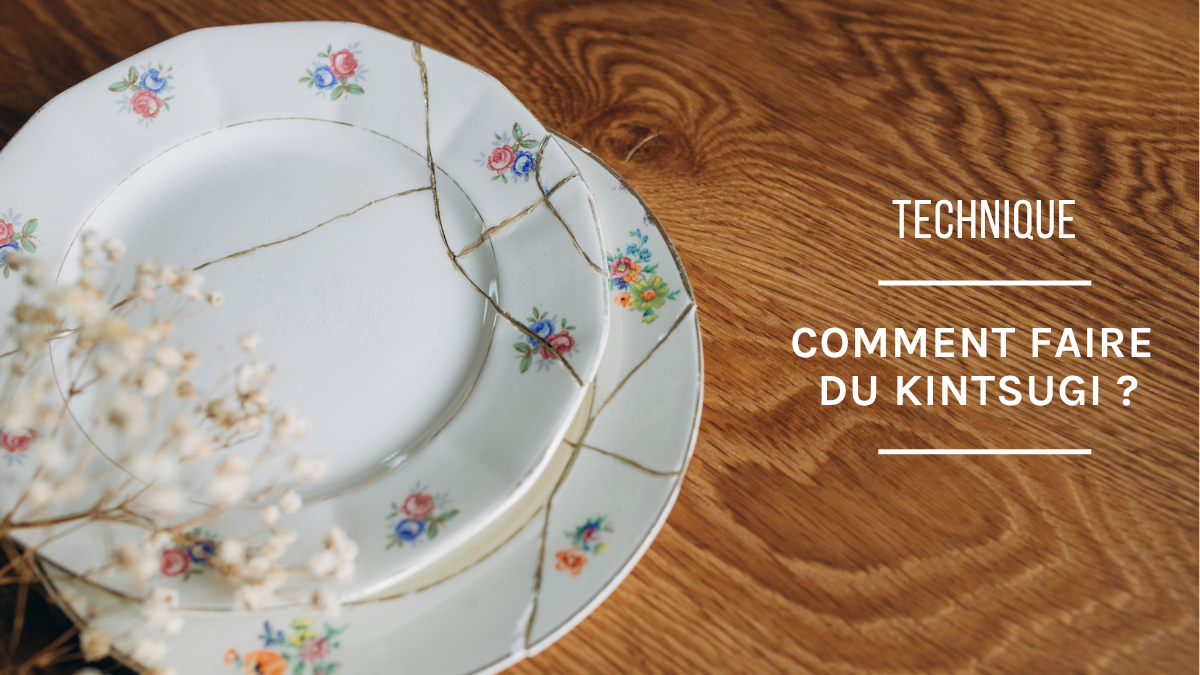
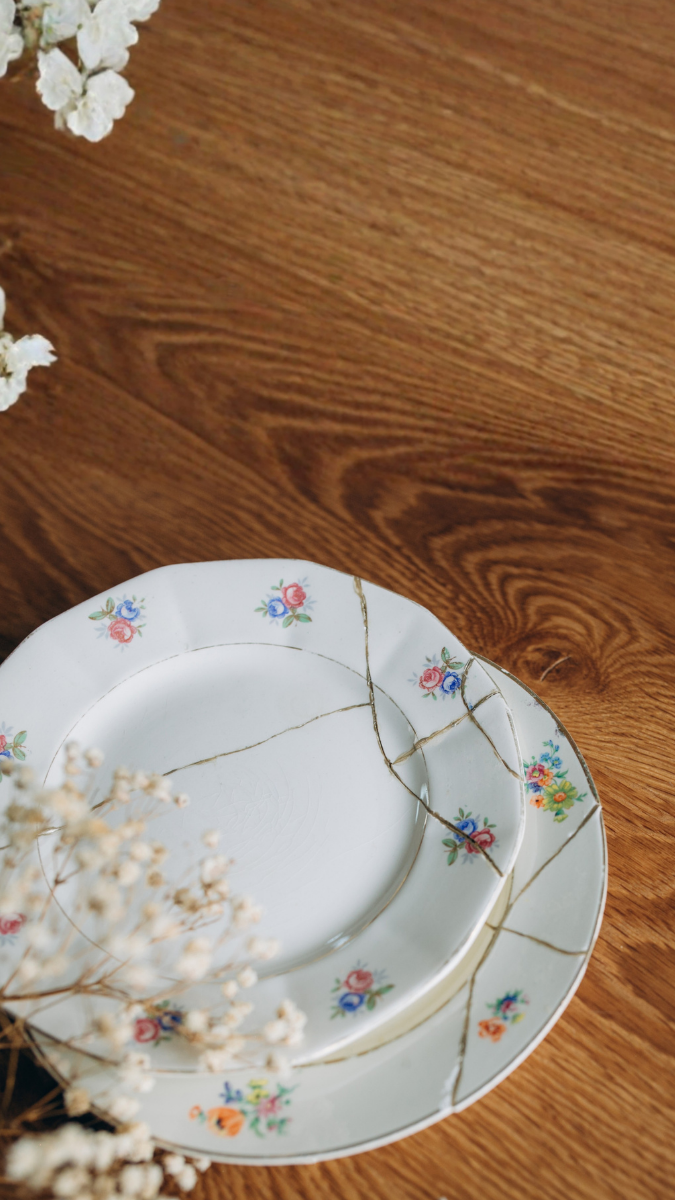
A modern version of Kintsugi is usually created using a two-component epoxy glue in which a gold pigment is mixed. It's a quick and easy method, ideal for a decorative finish.
Yes, when it comes to the traditional Kintsugi technique, repaired crockery is safe to use for eating and drinking. The method employs Urushi lacquer, a vegetable sap which, once fully hardened after several weeks, becomes extremely solid, impermeable and totally compatible with food use, even with hot liquids such as tea or soup.
On the other hand, the modern version of Kintsugi is not recommended for food contact. The epoxy glues and decorative pigments used in this approach are generally not food-certified, even if the repair appears robust.
Credits
Perles & Co, Internet & E-Commerce company [21/10/2025] Any reproduction, representation, adaptation, in any form whatsoever, even partial, is prohibited, except for reproduction for private use not intended for collective use, representation in the family circle (art. L 122-5 CPI) and online publishing on condition that the source is mentioned and a link is included to the corresponding page of our site www.perlesandco.com.