Average Grades
Très bien explique

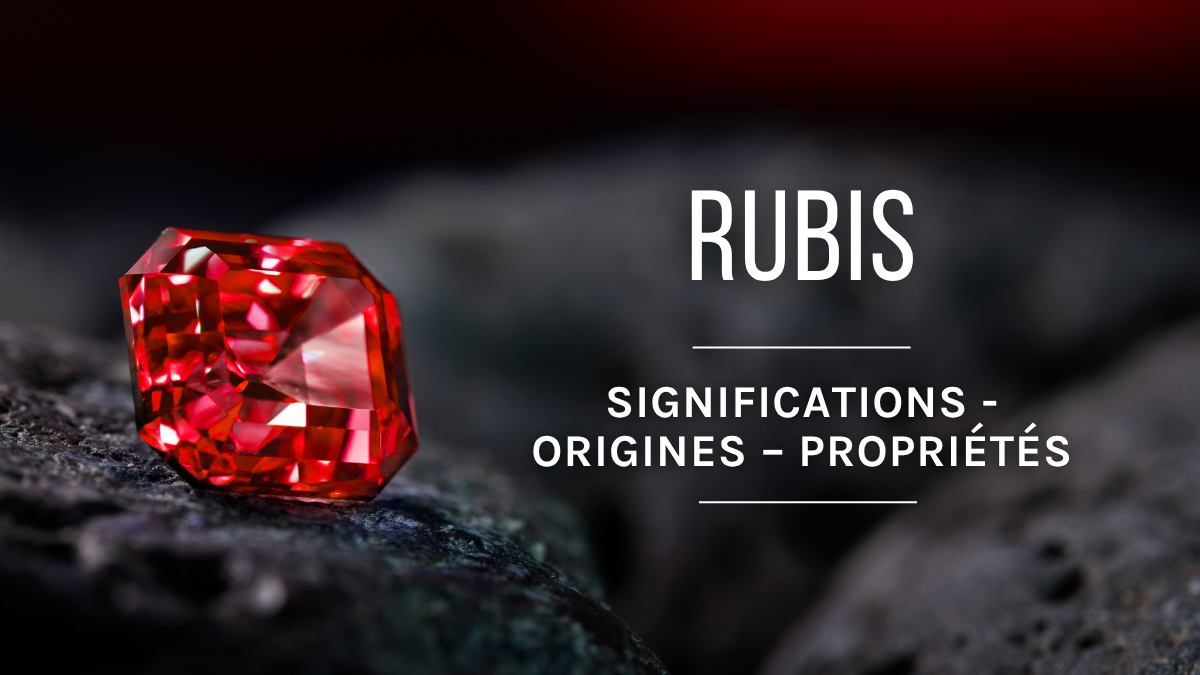
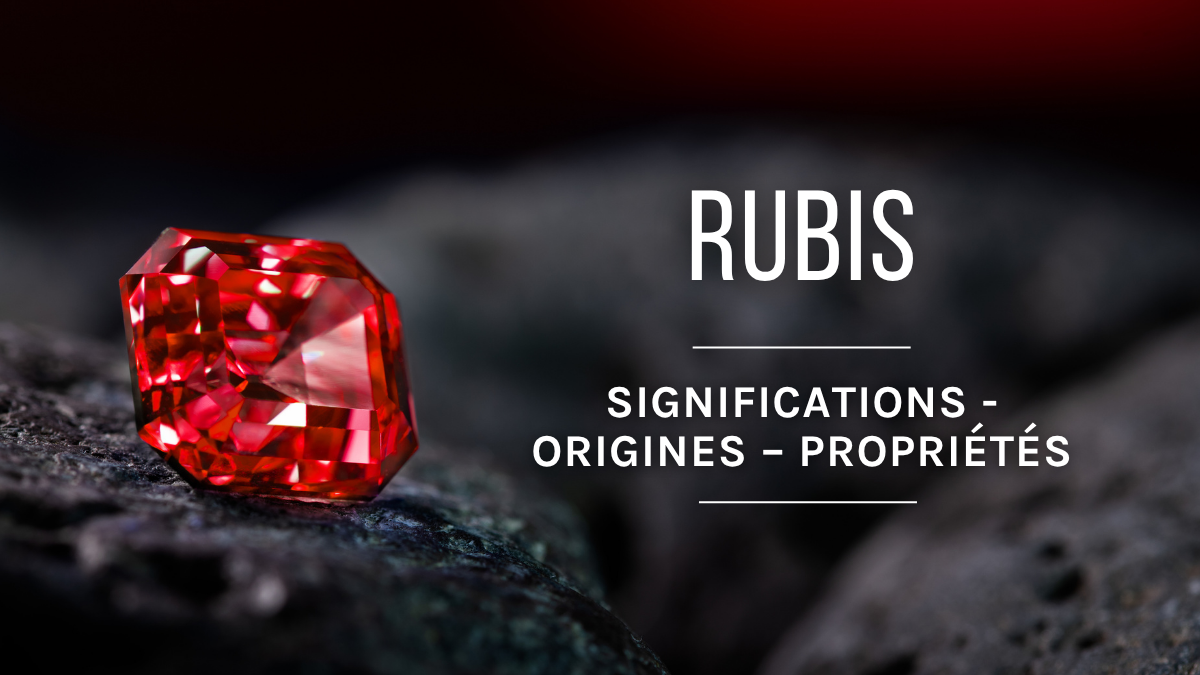
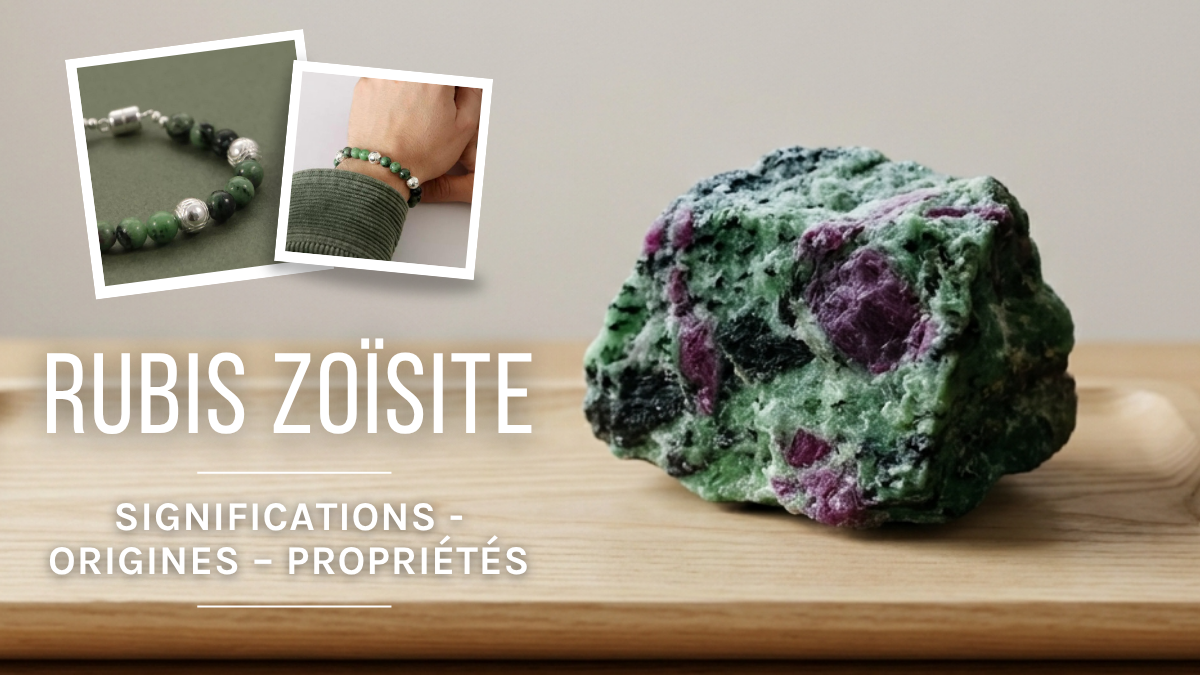
The ruby is a gemstone with an intense red color, often referred to as “pigeon’s blood.” Found primarily in Burma, Tanzania, and Thailand, it is highly prized in jewelry for its hardness of 9 on the Mohs scale. Symbolically, it is associated with passion and protection, making it an ideal choice for elegant and meaningful jewelry.
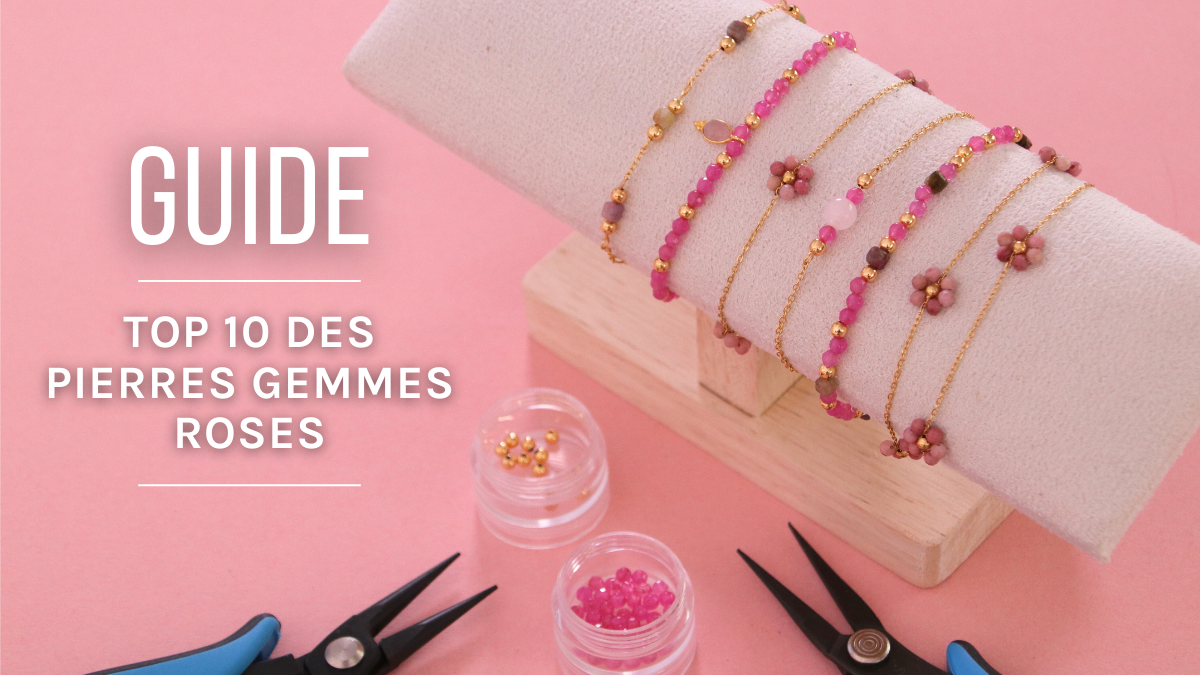
The ruby is one of the four precious gemstones, along with the emerald, diamond, and sapphire. Its dazzling beauty and intense red color make it an exceptional gemstone for creating DIY fashion jewelry.
Get inspired by our tutorials and create beautiful jewelry made from natural gemstones.
The name of this gemstone comes from the Latin word “ruber,” which means “red.”
Ancient civilizations attributed mystical powers to it. In India, it was known as“ratnaraj,” the king of gemstones. It was believed to bring protection and prosperity to the wearer.
In ancient Burma, warriors embedded rubies into their skin to make themselves invincible in battle. It was also seen as a talisman of peace, capable of resolving conflicts and bringing harmony.
In certain religious traditions, rubies were used to adorn liturgical objects, such as crosses, chalices, or episcopal rings, reinforcing the association between this gemstone and the blood of Christ.
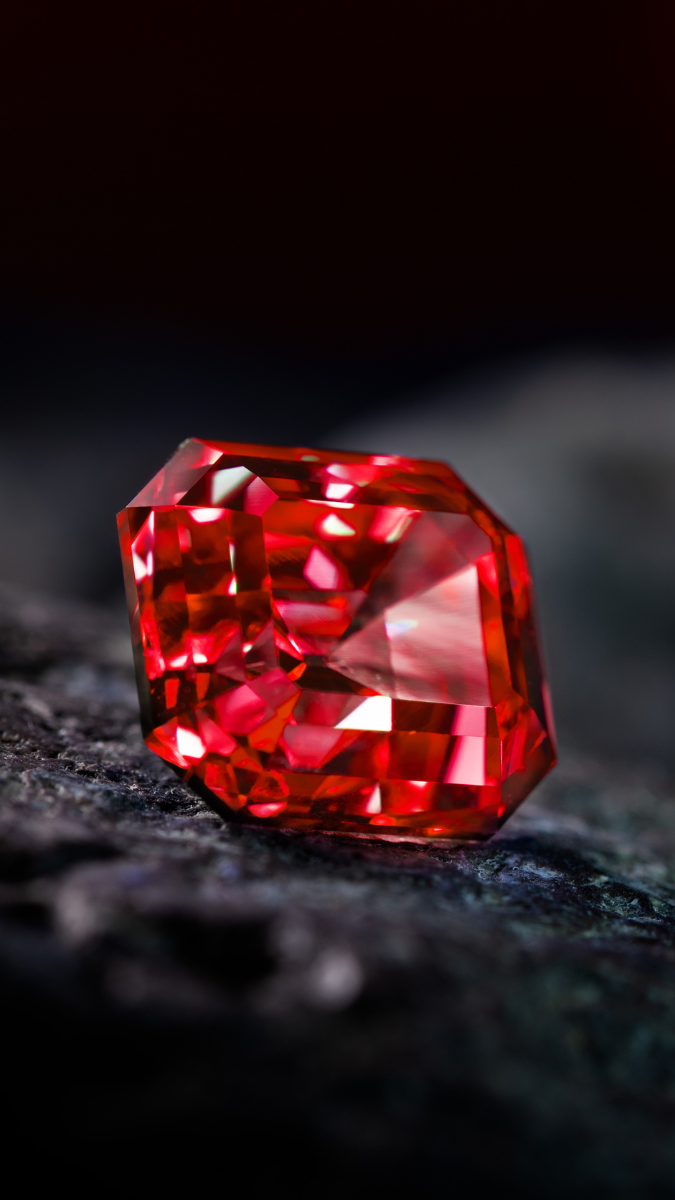
Originating from Myanmar, the “Sunrise” ruby, weighing 25.59 carats, is one of the most famous in the world. In addition to its pigeon’s blood red (bright red) color, it is extremely pure and cut into a cushion shape. This exceptional stone was auctioned by Sotheby’s in Geneva in May 2015. It fetched a record price of $30.3 million, making it the most expensive ruby ever sold at auction at that time.
This natural gemstone is famous for its red color, which can range frompale pinkish red to deep blood red, often called “pigeon’s blood.” The pigeon’s blood ruby is a highly sought-after variety.
Because of its color, it has often been confused with red spinel and garnet.
Some stones exhibit a phenomenon called“asterism,” an optical effect that forms a six-rayed star on the stone’s surface. These star rubies are particularly rare and valuable.
Like the sapphire, this red gemstone belongs to the corundum family. It has a hardness of 9 on the Mohs scale, which places it just below diamond. Because of its hardness and beauty, it is highly prized in jewelry. Rubies are often used in rings, necklaces, earrings, and bracelets.
Its density ranges from 3.97 to 4.05 g/cm³.
The main deposits are found in Burma, Tanzania, Thailand, Afghanistan, Mozambique, Sri Lanka, Myanmar, and Vietnam.
In crystal healing, the ruby is often associated with strength, vitality, and passionate love. Some believe it can also awaken passion and instill great self-confidence.
This gemstone is said to be effective for the heart chakra. It is believed to increase self-assurance and self-confidence.
If you were born under the sign of Capricorn, the ruby is the perfect stone for you!
Please note: Our gemstones are not sold for use in crystal healing. The effects of gemstones have not been scientifically proven. Natural gemstones are in no way a substitute for medical expertise or medical treatment.
Before recharging your stone, it’s important to purify it. To do this, submerge it in saltwater, distilled water, or demineralized water. Another method is to use white sage smudging.
To recharge it, expose it to sunlight or moonlight, or place it on a cluster of quartz to restore its energy.
This gemstone pairs beautifully with precious metals. Gold-plated or Gold Filled metals particularly highlight its warmth and brilliance, creating jewelry that exudes luxury and tradition. For a more modern style, stainless steel or 925 Sterling Silver are perfect choices, adding a touch of contemporary elegance to the ruby’s deep red hue.
Which stones pair well with the ruby? It can be paired with stones like the diamond for a powerful combination of luxury and beauty. In crystal healing, it’s often paired with moonstone or peridot to balance its intense energy with gentler vibrations. When paired with jade or malachite, it’s said to radiate a gentle, benevolent energy.
However, avoid pairing it with stones that are too energizing, such as garnet, so as not to disrupt its positive effects. When paired with apatite or blue agate, its effects could be negated.
Credits
Perles & Co, Internet & E-Commerce company [03/09/2024] Any reproduction, representation, adaptation, in any form whatsoever, even partial, is prohibited, except for reproduction for private use not intended for collective use, representation in the family circle (art. L 122-5 CPI) and online publishing on condition that the source is mentioned and a link is included to the corresponding page of our site www.perlesandco.com.