Average Grades
Quel fil 2 mm qui se brule
1 Answer
Show answers


To make micro-macramé sliding knots, it's essential to choose suitable meltable yarns, such as nylon and polyester, which ensure durability and strength. On the other hand, natural yarns, such as cotton or silk, do not melt and require the use of glue, although they offer a rustic, biodegradable look. Choose synthetic yarns for more reliable and resistant knots.
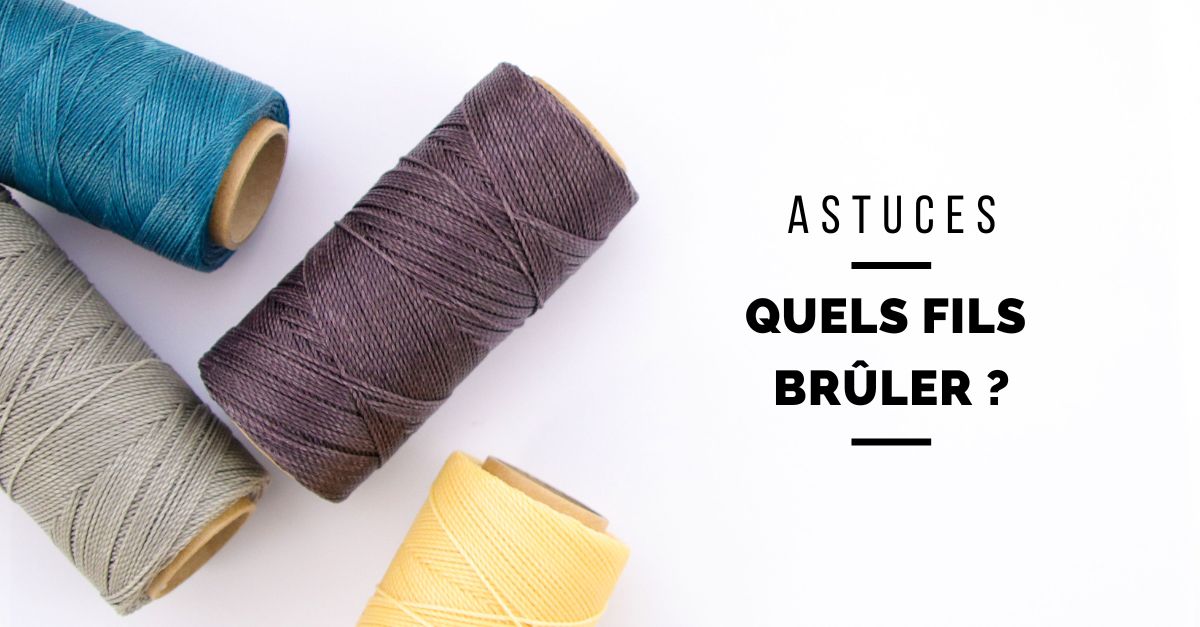
In this article, we'll look at the different wires you can use to make sliding knot bracelets or micro-macramé. Micro-macramé is a weaving technique that uses very fine wires to create intricate, detailed patterns. This technique has become increasingly popular in recent years, particularly in jewelry design.
In either case, the wires of the slipknots or macramé jewelry are stopped by a technique that involves melting the wire. This technique is very meticulous and may frighten some, as using a flame is not without danger. Done properly, this technique holds much better than glue. But not all threads melt.
In this fact sheet, we'll look at which wires melt and which don't, as well as a step-by-step guide to safe and effective wire melting. Of course, the use of glue remains mandatory for wires that cannot be melted.
To make a slip knot or a piece of macramé jewelry, it's important to use a suitable thread to guarantee the knot's durability and quality. Here are a few types of thread commonly used to make a macramé slip knot, which can be melted down:
Nylon thread: Braided or twisted nylon thread is commonly used for slip knots, as it is strong and wear-resistant. It slides easily to adjust the size of the knot and is available in a variety of colors and sizes.
Polyester cord: Polyester cord can be melted and is another option for slip knots. It is durable, resistant to wear and fading, and offers good knot hold. Polyester yarns for macramé are generally coated with a wax that will prevent knots from unravelling too easily, making the work much easier. There are several brands of special polyester yarn for micro-macramé, including Slam cords and Linhasita yarn. Vega and Penny plusyarns are unwaxed and can be melted.
Rattail, jade and paracord cords are also made of polyester or nylon and can be melted.
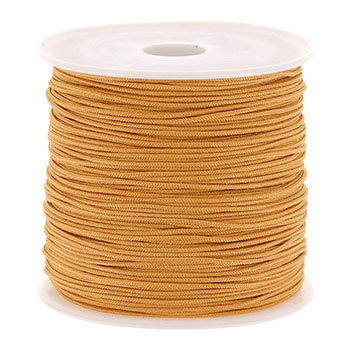
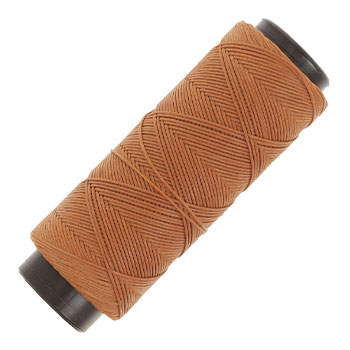

Designers of micro-macramé jewelry often prefer to use natural, sustainable materials. They look for wires made from cotton, silk, linen or hemp. But natural materials don't melt, they burn and turn to ash. So they have to use glue to stop the threads.
Linen, hemp, cotton, bamboo, silk etc.: These natural yarns can be used for sliding knots or macramé, but they are more sensitive to wear. The slip knot will not hold as well as with synthetic yarn. They have a rustic look and are biodegradable. However, they can be less flexible and more difficult to adjust than polyester or nylon.
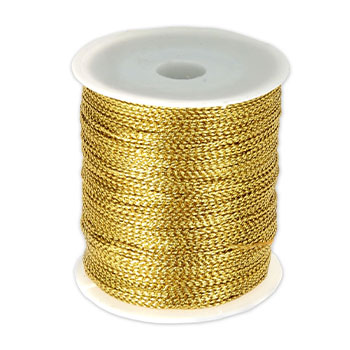
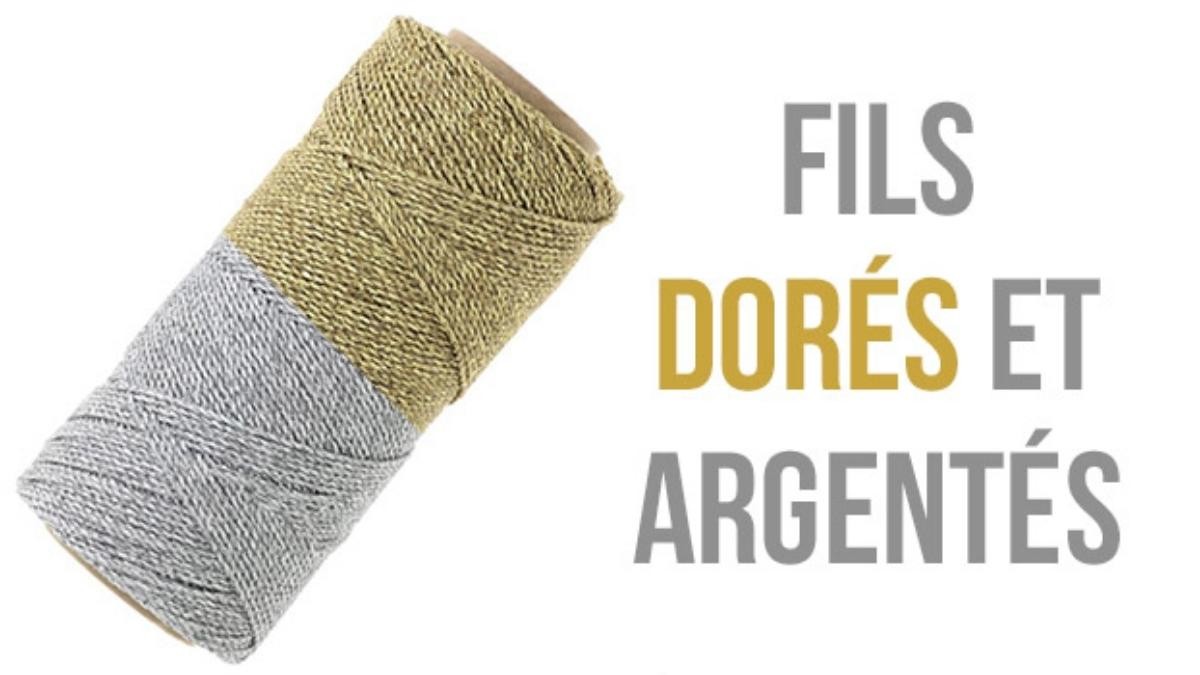
Shiny gold, silver, copper and metallicwires: Beaded bracelets with gold or silver wire are very popular. Unfortunately, many soft metallic wires don't melt, as they are made of thin metal strips and you can't melt metal with a lighter. If they are mixed with synthetic materials such as nylon or polyester, this is sometimes possible, as with linhasita yarns. But most of the time, your golden thread won't melt, and in many cases will be very fragile and unusable for making a slipknot. If a thread is made of twisted metal strips, it's bound to be more fragile than the others.
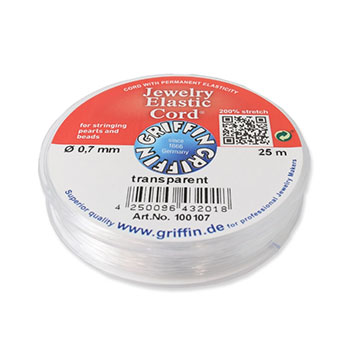
Elastic threads: These are not used for slip knots and macramé, but elastic threads don't melt either. Elastomers are very sensitive to heat, which causes them to lose their elastic properties and become brittle. That's why we don't recommend leaving your elastic bracelets under a window or in a car in the middle of summer.

Please observe the following safety rules: Ventilate the room. Don't burn your wire in the presence of animals or small children. Put a non-flammable support underneath, such as a silicone mat, and keep any flammable objects away from it. Don't breathe in the smoke.
You can use a wire-burning tool, a gas lighter or a lighter. The lighter is the least practical. A wire burner is more suitable, but takes a little longer.
Remove the piece of wire you wish to burn from the creation. Protect the rest of the jewel with your fingers so that the flame doesn't reach the rest of the creation.
Light your wire-burning tool and bring the flame or heating rod of the wire burner close to the end of the wire. Melt the wire gently. If it catches fire, blow it out immediately. When the wire catches fire, it turns black. So to keep it looking good, avoid this happening.
Melt the wire almost to the creation, then crush it against the creation with the edge of your tool. The melted part of the wire will then merge with the creation. Check that this is the case.

Credits
Perles & Co, Internet & E-Commerce company [29/03/2023] Any reproduction, representation, adaptation, in any form whatsoever, even partial, is prohibited, except for reproduction for private use not intended for collective use, representation in the family circle (art. L 122-5 CPI) and online publishing on condition that the source is mentioned and a link is included to the corresponding page of our site www.perlesandco.com.